
My pet is scared of the vet. What can I do?
Does your dog start trembling as soon as they reach the clinic door? Does simply bringing out the cat’s carrier send them hiding under the bed?
Veterinary visits involve breaks from routine, unfamiliar sights, smells, sounds and handling. Some animals find these experiences difficult, especially if they've been frightened or uncomfortable during vet visits before.
At Evervet, we take a Fear Free approach to veterinary care, using practical techniques to reduce anxiety and help pets feel more comfortable during their visits.
There are also several things you can do at home to make a difference.
Why are some pets frightened of the vet?
Dogs and cats respond differently to unfamiliar situations.
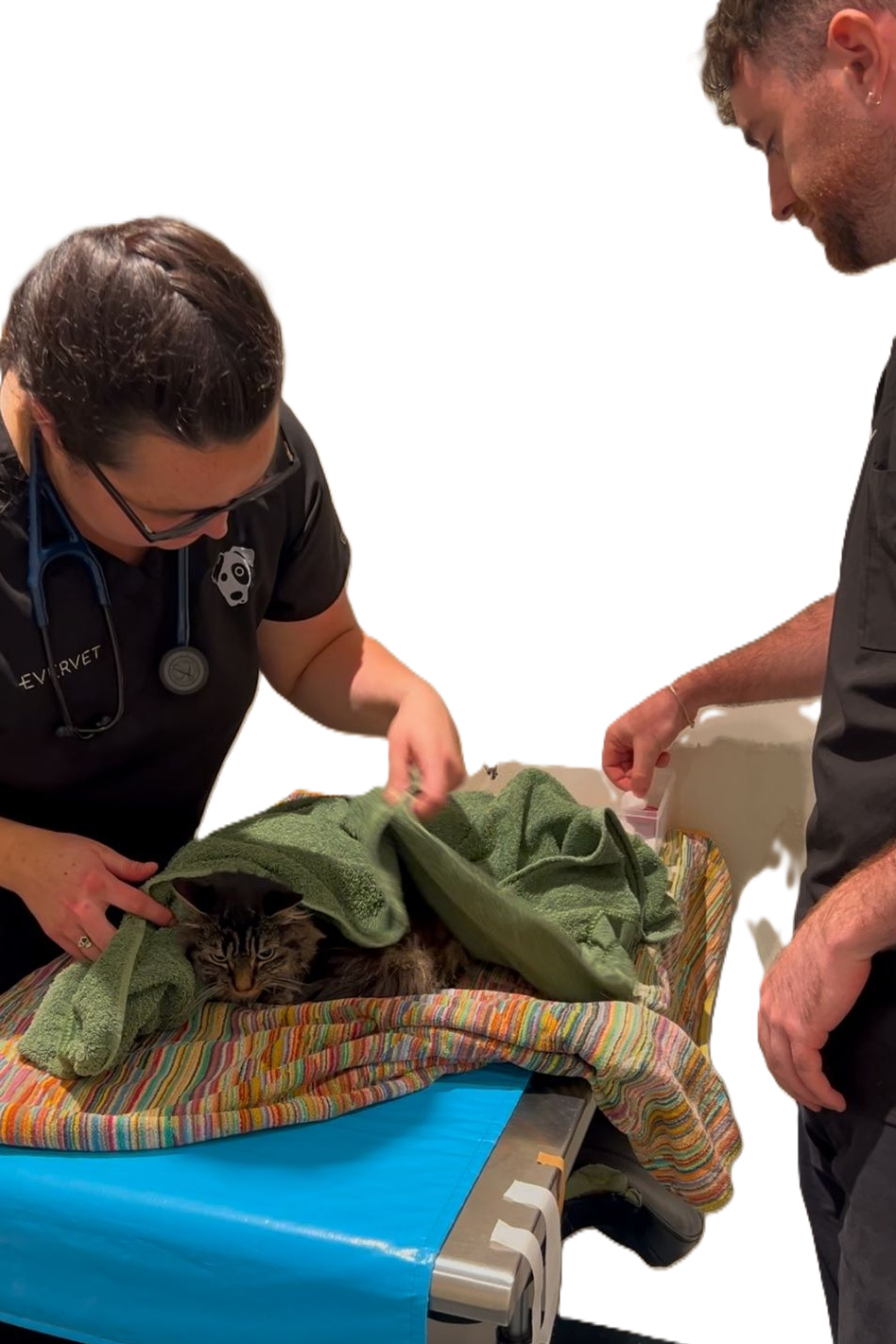
For dogs, the clinic may involve encounters with other animals, unfamiliar people, slippery surfaces and physical handling they aren't accustomed to.
Cats are particularly sensitive to changes in their environment. Leaving familiar territory, travelling in a carrier and encountering unfamiliar smells can all contribute to anxiety.
Previous experiences also matter. A pet that has undergone a painful procedure or experienced considerable distress during an earlier visit may become increasingly anxious about returning.
Importantly, fear isn't always obvious.
Some animals bark, growl, hiss or attempt to escape. Others become freeze, avoid interaction or stop accepting treats.
These quieter behaviours can be just as important when we're assessing how comfortable a patient feels.
What does Fear Free veterinary care actually involve?
Fear Free is an approach to veterinary care that considers a patient's emotional wellbeing alongside their physical health.
It involves recognising signs of anxiety, adapting the environment and using handling techniques that minimise unnecessary stress.
At Evervet, this influences how we approach appointments, examinations and hospital care.
1. Creating a more comfortable environment
A busy waiting room can be overwhelming, particularly for a nervous cat or a dog that is uncomfortable around other animals.
Where possible, we aim to minimise unnecessary exposure to other patients and provide quieter spaces.
Our facilities incorporate features designed to accommodate the different needs of dogs and cats, including designated feline areas.
For some particularly anxious patients, arrangements can be made to minimise time spent in the reception area.
Even small changes to the environment can make a meaningful difference.
2. Using gentle, considered handling
The way we approach and handle an animal influences how they respond.
We pay attention to body language, allow time for patients to become familiar with their surroundings and adapt our examination techniques to suit the individual.
Some dogs are more comfortable being examined on the floor rather than lifted onto a table.
A cat may prefer to remain in the bottom half of their carrier or under a familiar towel while we begin an examination.
Non-slip surfaces, soft bedding and appropriate positioning can also help pets feel more secure.
The aim is to obtain the information we need while minimising unnecessary distress.
3. Using food, rewards and familiar comforts
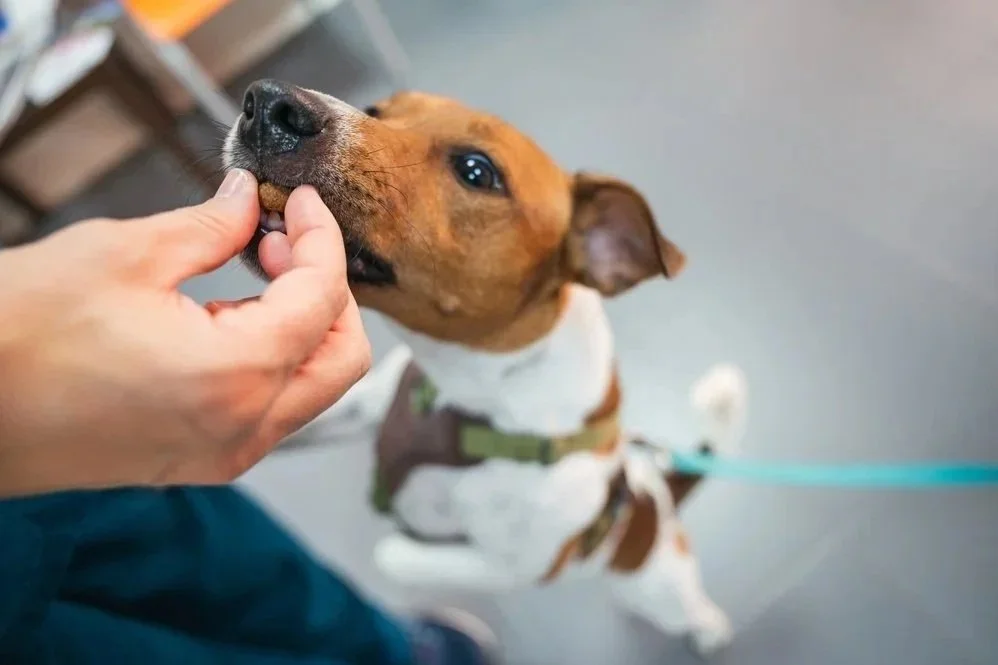
Many pets respond well to food rewards during veterinary visits.
Treats can help create positive associations with the clinic and encourage voluntary participation in parts of an examination.
For dogs, this might involve rewarding them for stepping onto the scales or allowing their ears to be examined.
For cats, a creamy treat or familiar blanket can provide reassurance.
Not every pet will accept food when anxious, and that's useful information too. We adapt our approach according to how the individual patient is responding.
If your pet has a favourite treat, feel free to bring it along, provided they haven't been instructed to fast. Otherwise leave it to us - we’re well stocked!
4. Recognising when a patient needs a break
An anxious pet may become increasingly distressed if handling continues beyond what they can comfortably tolerate.
Recognising these signs early allows us to adjust our approach.
Sometimes that means allowing a short break, changing the examination technique or completing less urgent procedures at a separate appointment.
For patients that require immediate treatment, additional measures may be necessary to provide care safely.
Our priority is to balance the medical needs of the patient with their physical and emotional wellbeing.
Can medication help an anxious pet visit the vet?
Yes. For some animals, medication prescribed before an appointment can make veterinary visits considerably easier.
This is particularly useful for pets with a history of significant anxiety during travel or examination.
Depending on the individual patient, we may recommend medication to reduce anxiety before they leave home.
These medications are selected according to your pet's health, medical history and previous responses.
For cats, gabapentin is one medication that has been studied for reducing stress associated with transport and veterinary examinations.
Medication isn't necessary for every patient, and it doesn't replace thoughtful handling or environmental management. However, it can be an important part of an individualised plan.
If your pet has previously struggled during an appointment, please contact us before their next visit so we can discuss whether medication would be appropriate.
Never give your pet human or previously prescribed medication without seeking veterinary advice.
How can I make taking my cat to the vet less stressful?
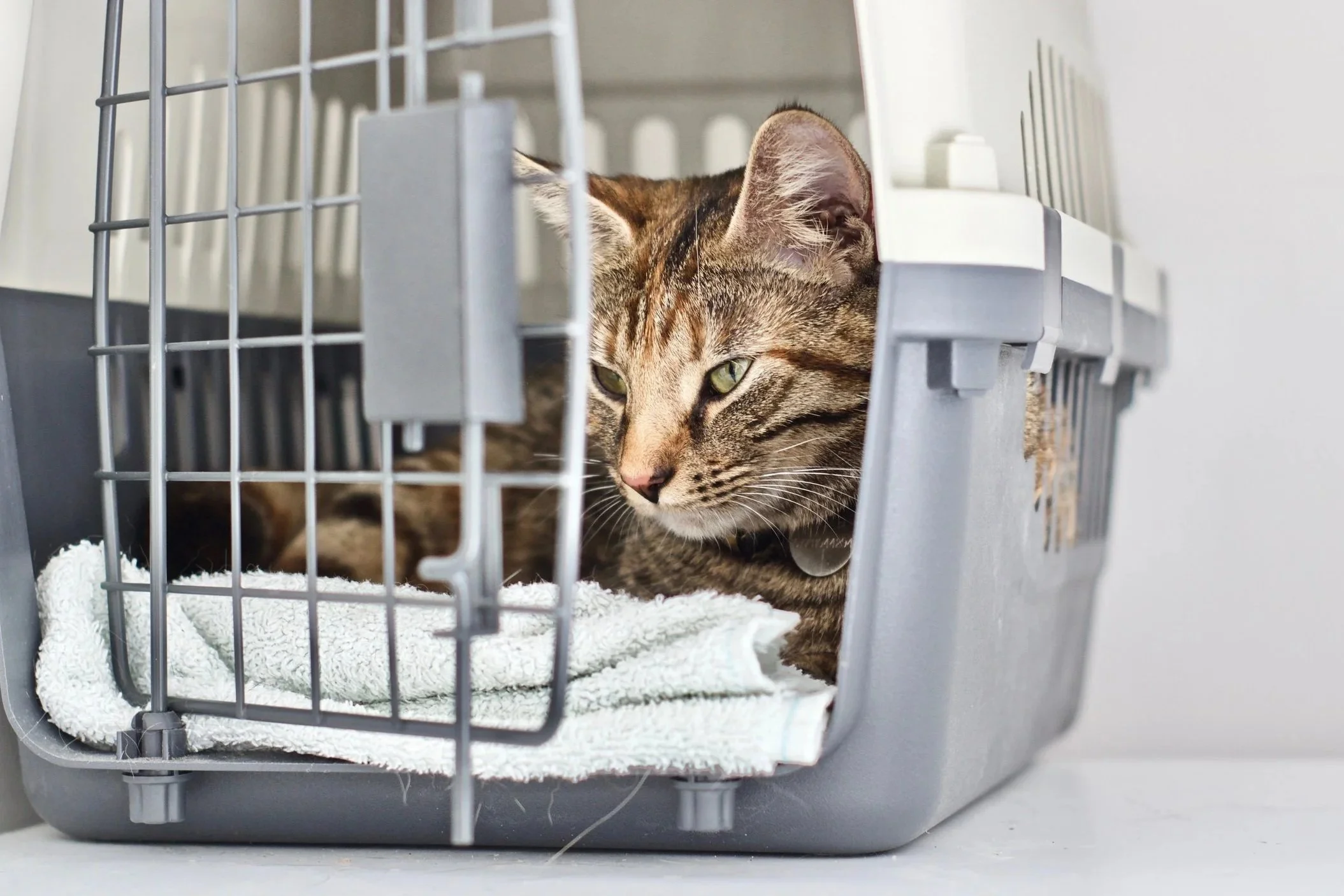
For many cats, improving the experience begins with the carrier.
Make the carrier part of everyday life
If the carrier only appears when your cat is going to the vet, they may quickly learn to associate it with a scary experience.
Try leaving the carrier somewhere accessible at home, with comfortable bedding inside.
Allow your cat to investigate it voluntarily. You can encourage them with treats, toys, familiar scents and calming pheromone products.
Over time, the carrier can become a familiar resting place rather than something to avoid.
A sturdy carrier with a removable top is particularly useful because it allows us to examine some cats without lifting them out.
Prepare for the journey
Place familiar bedding inside the carrier and ensure it is secure during transport.
A lightweight towel over the carrier can help reduce visual stimulation, provided ventilation is maintained.
Synthetic feline pheromone sprays may also help some cats. These should be applied to the carrier or bedding according to the manufacturer's instructions, generally allowing at least 15 minutes before your cat enters.
They should never be sprayed directly onto your cat.
During the journey, keep the carrier stable and avoid unnecessary movement or loud music.
Tell us if your cat has struggled previously
This is one of the most useful things you can do.
Knowing that your cat has previously become distressed allows us to plan their appointment more appropriately.
We can discuss handling preferences, environmental adjustments and whether medication before the visit might help.
What can I do if my dog is frightened of the vet?
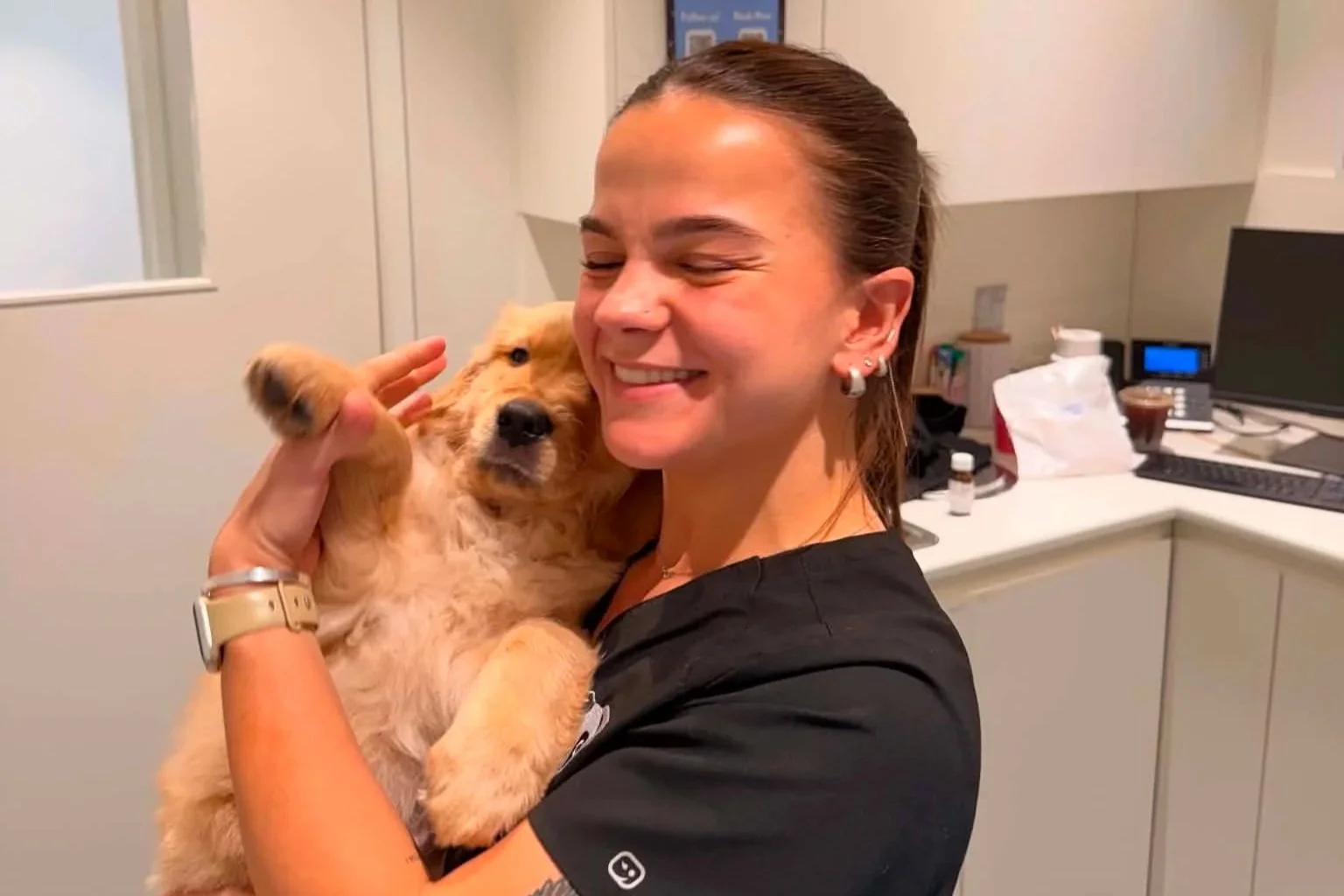
Dogs can benefit from becoming familiar with the clinic before they need an examination or procedure.
For some dogs, short, positive experiences around the clinic can help build confidence.
You can also practise gentle body-handling at home, rewarding your dog for allowing you to touch their paws, look briefly at their ears or examine their mouth.
These activities should be introduced gradually, using positive reinforcement with high value rewards, and allowing your dog to move away if they become uncomfortable.
For dogs that are particularly anxious around unfamiliar people or other animals, let us know when booking.
We can discuss ways to manage their arrival and examination - scheduling appointments during less busy periods, adapting the environment to suit their preferences and providing additional aids to make your visit run smoother.
If your dog has previously growled, snapped or attempted to bite during veterinary handling, please tell us in advance. We appreciate prior notice because it helps us plan a safer and more comfortable visit for everyone.
What if my pet needs treatment but is too frightened to be examined?
Occasionally, a patient is too distressed to undergo a particular examination or procedure comfortably while fully conscious.
In these circumstances, sedation may be appropriate.
Sedation can allow us to perform necessary investigations or treatment while reducing the distress associated with prolonged handling or restraint.
It requires an individual assessment of your pet's health and the procedure being undertaken.
For non-urgent problems, we may instead recommend postponing part of the examination and developing a plan for the next visit.
The appropriate decision depends on the patient's medical needs and how they're responding.
Can a pet learn to feel more comfortable at the vet?
Many can.
Positive experiences, gradual familiarisation and consistent handling can help pets develop greater confidence.
Progress varies between individuals. Some animals respond quickly, while others require more time and a structured approach.
Pets with longstanding or severe anxiety may benefit from a behavioural assessment and an individualised management plan.
It's also worth remembering that pain can contribute to defensive behaviour. An animal that suddenly becomes reluctant to be touched or examined may be experiencing discomfort that requires investigation.
Planning your pet's next visit
If your dog or cat finds veterinary appointments difficult, we'd encourage you to tell us when booking.
Understanding what your pet finds stressful allows us to prepare and discuss ways to make their visit more comfortable.
Whether that involves changing how we handle an examination, preparing your cat for travel or considering medication beforehand, our team can help develop an approach suited to your pet.
Every pet deserves veterinary care that considers how they feel as well as how they're doing physically.
Does your pet find veterinary visits stressful?
Our teams at Evervet Prahran, South Yarra, East Melbourne and Hawthorn can help you plan a more comfortable appointment.
Additional helpful guides before your next visit
Fear Free Vet Visits — a good general guide covering preparation, travel and what to expect from a lower-stress veterinary visit.
Fear Free Vet VisitsCat Friendly Homes: Getting your cat to the veterinarian — very practical cat-specific advice on carriers, transport and reducing stress before the appointment.
Getting your cat to the veterinarianDogs Trust: How to keep your dog calm at the vet — a genuinely distinct dog-focused guide covering waiting-room stress, reading body language, avoiding forced interactions and helping dogs move through the visit at their own pace. Dogs Trust
How to keep your dog calm at the vet