
It Starts With a Nurse
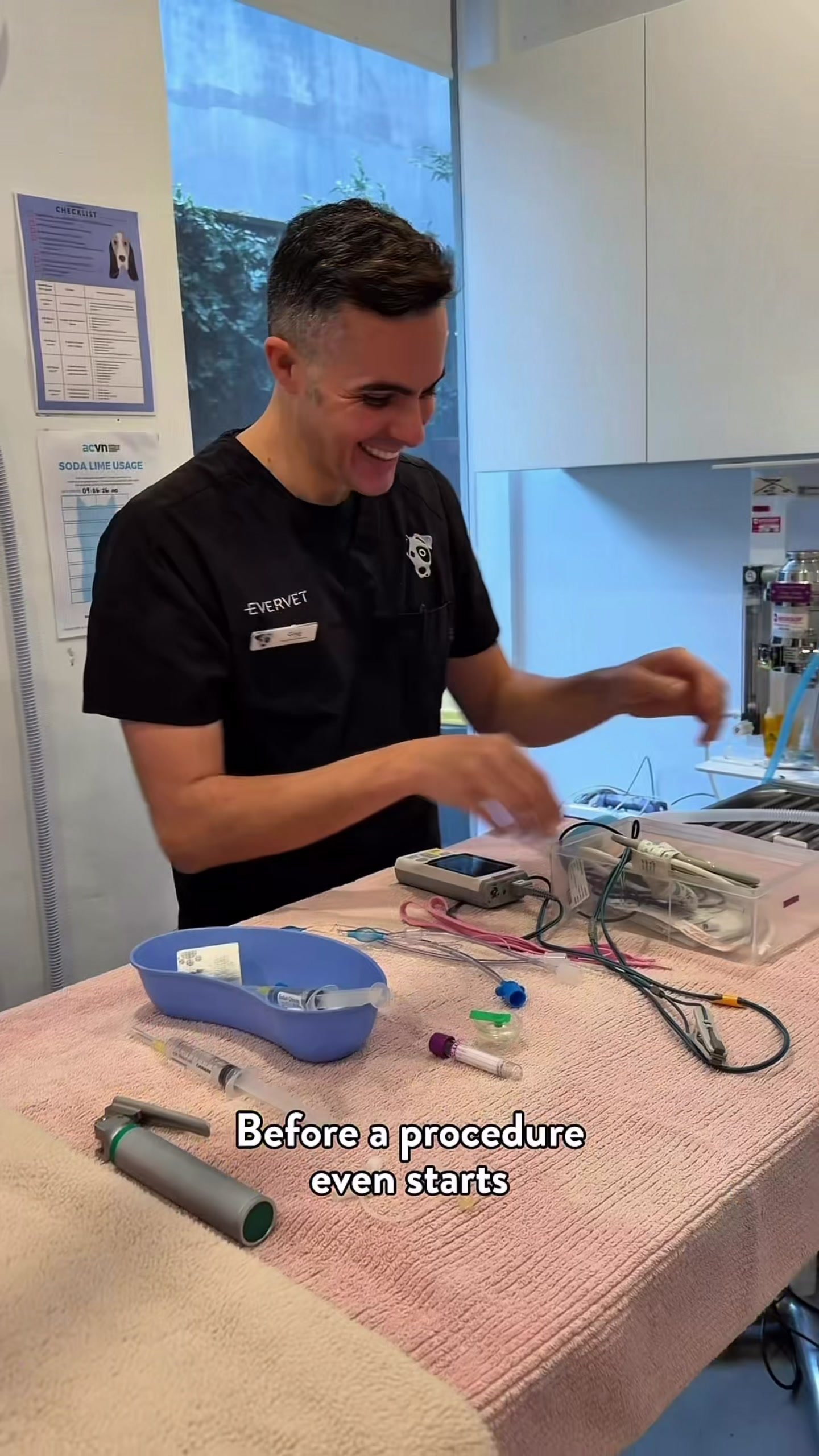
Before the hospital opens, before a procedure begins, before a blood sample is analysed, before a patient wakes from anaesthesia or a family takes their pet home, a veterinary nurse is already there, helping make it happen.
Across Evervet, nurses are part of every stage of patient care. They prepare, monitor, comfort, organise, observe, explain and support. Much of that work happens away from the consult room, but it is fundamental to how veterinary care is delivered.
This week is Veterinary Nurse & Technologist Awareness Week, and we want to recognise the nurses across Evervet whose skill and care underpin what happens in our hospitals every day. The VNCA describes this year’s week as a celebration of the strength, skill and heart veterinary nurses and technologists bring to animal care.
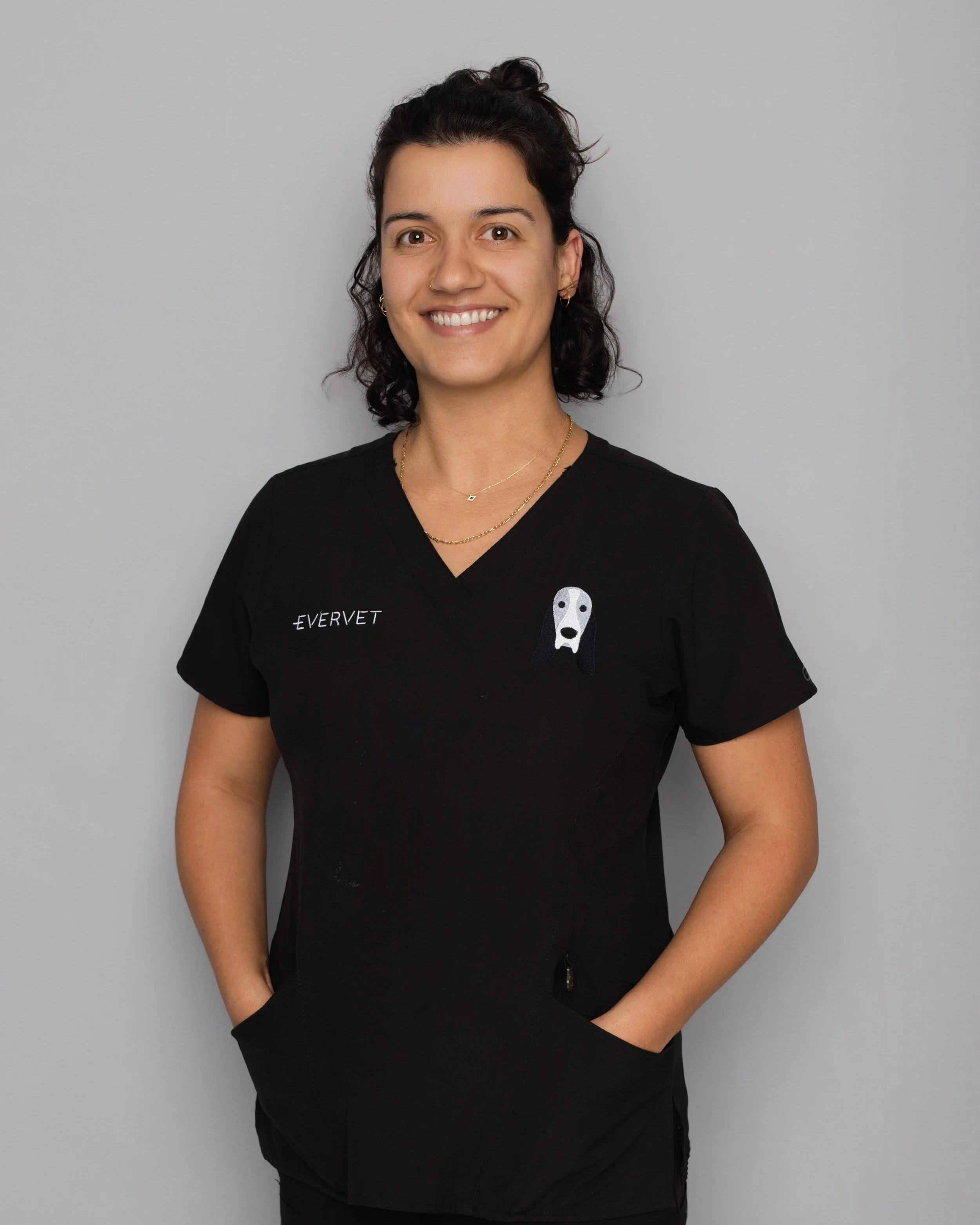
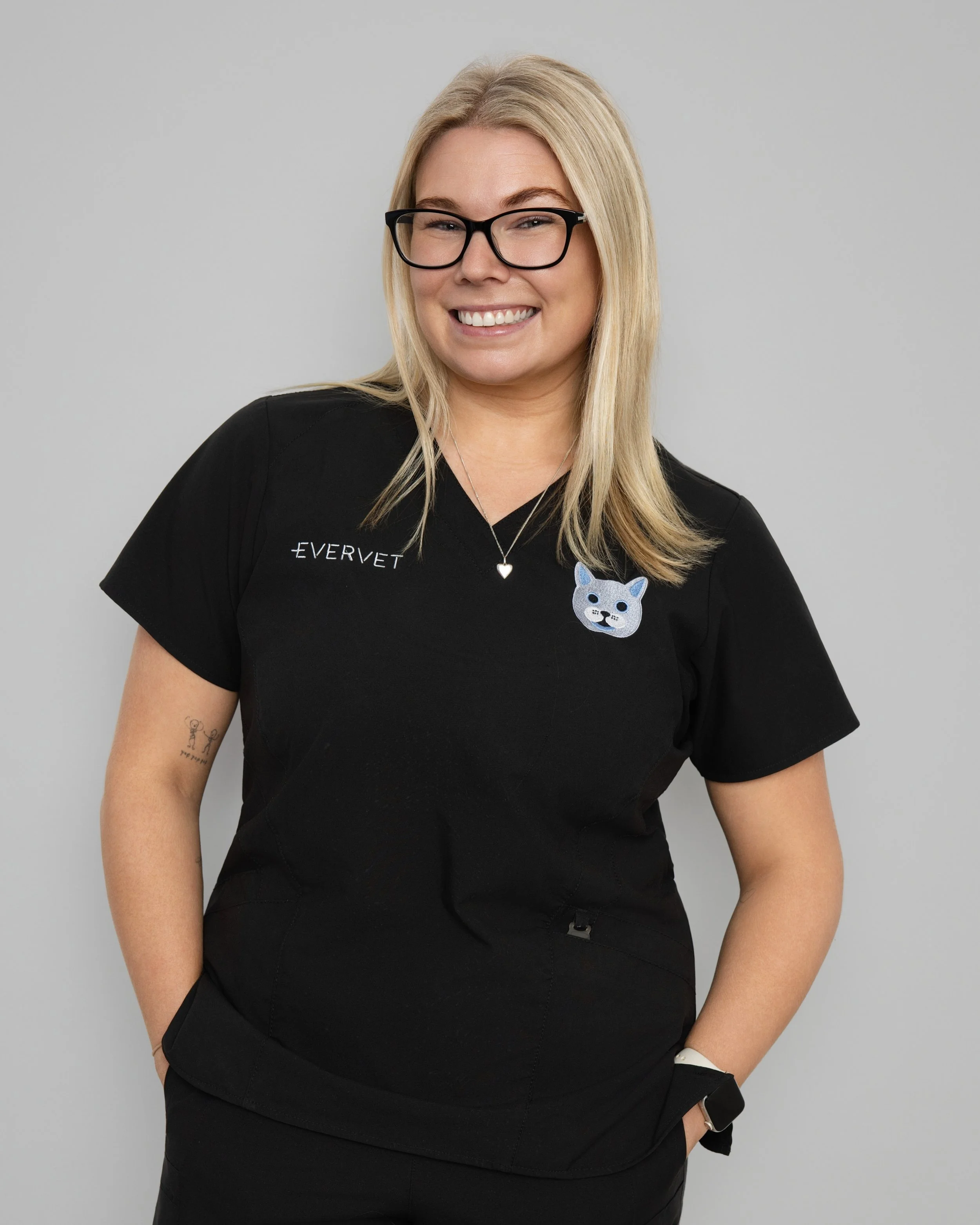


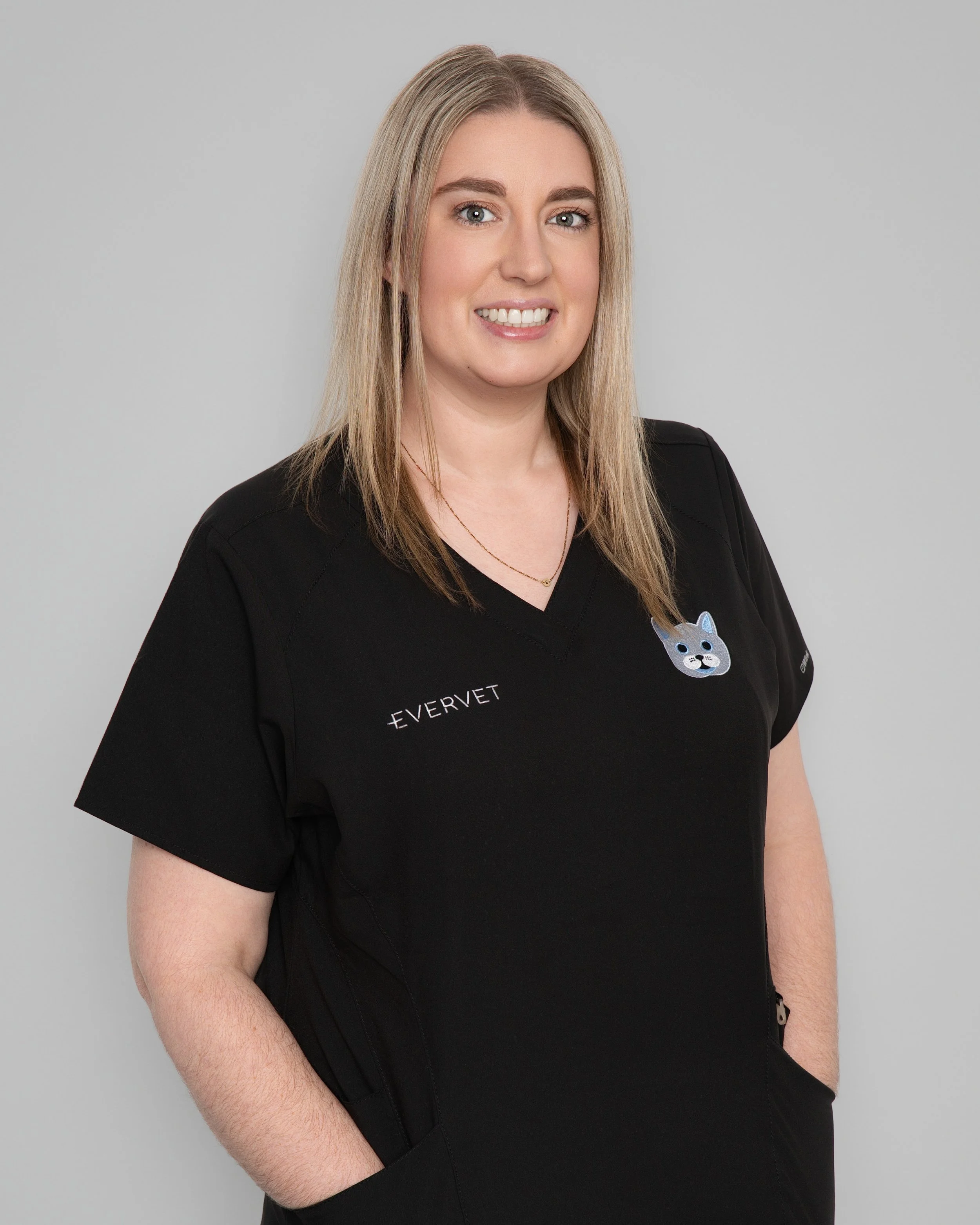
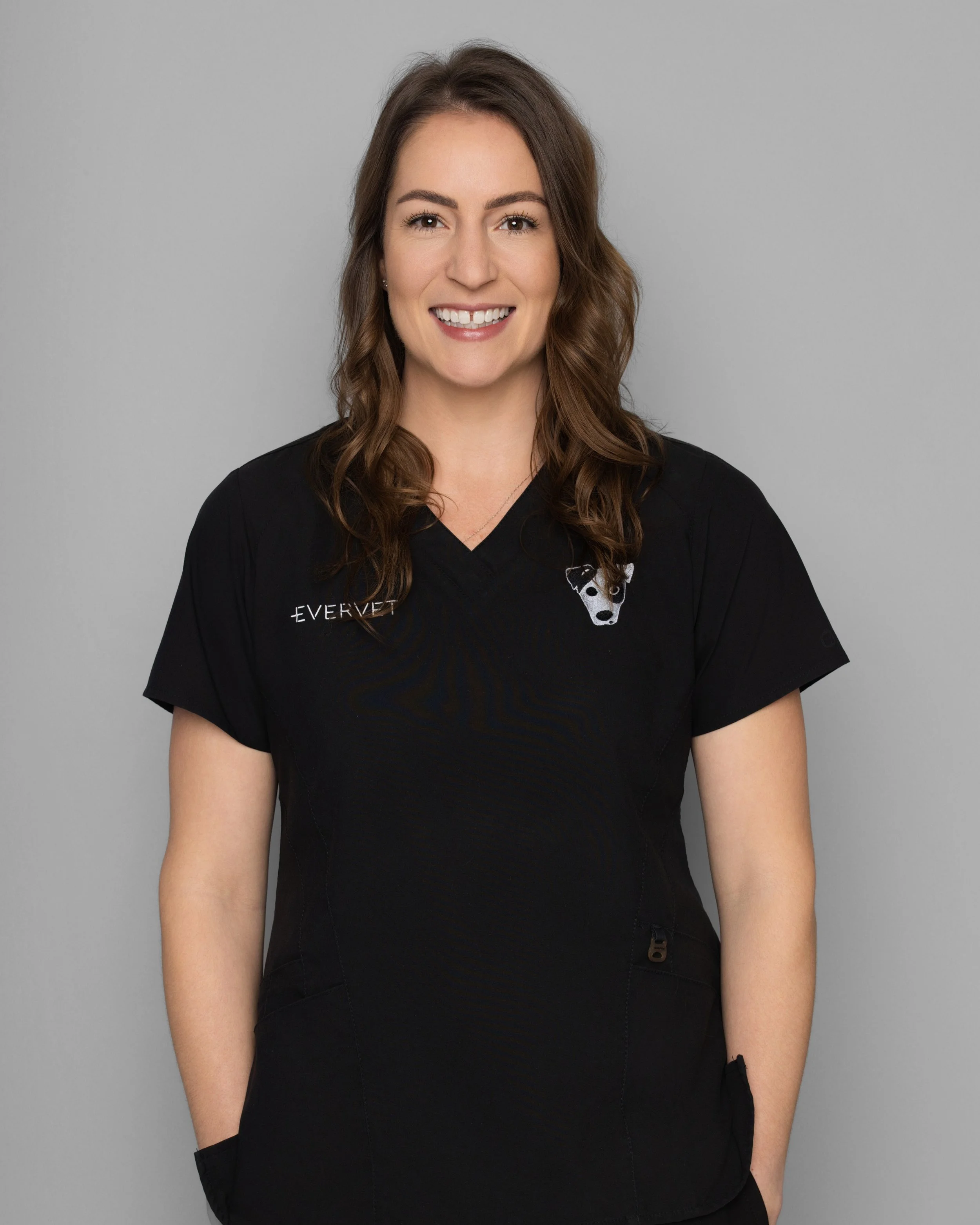
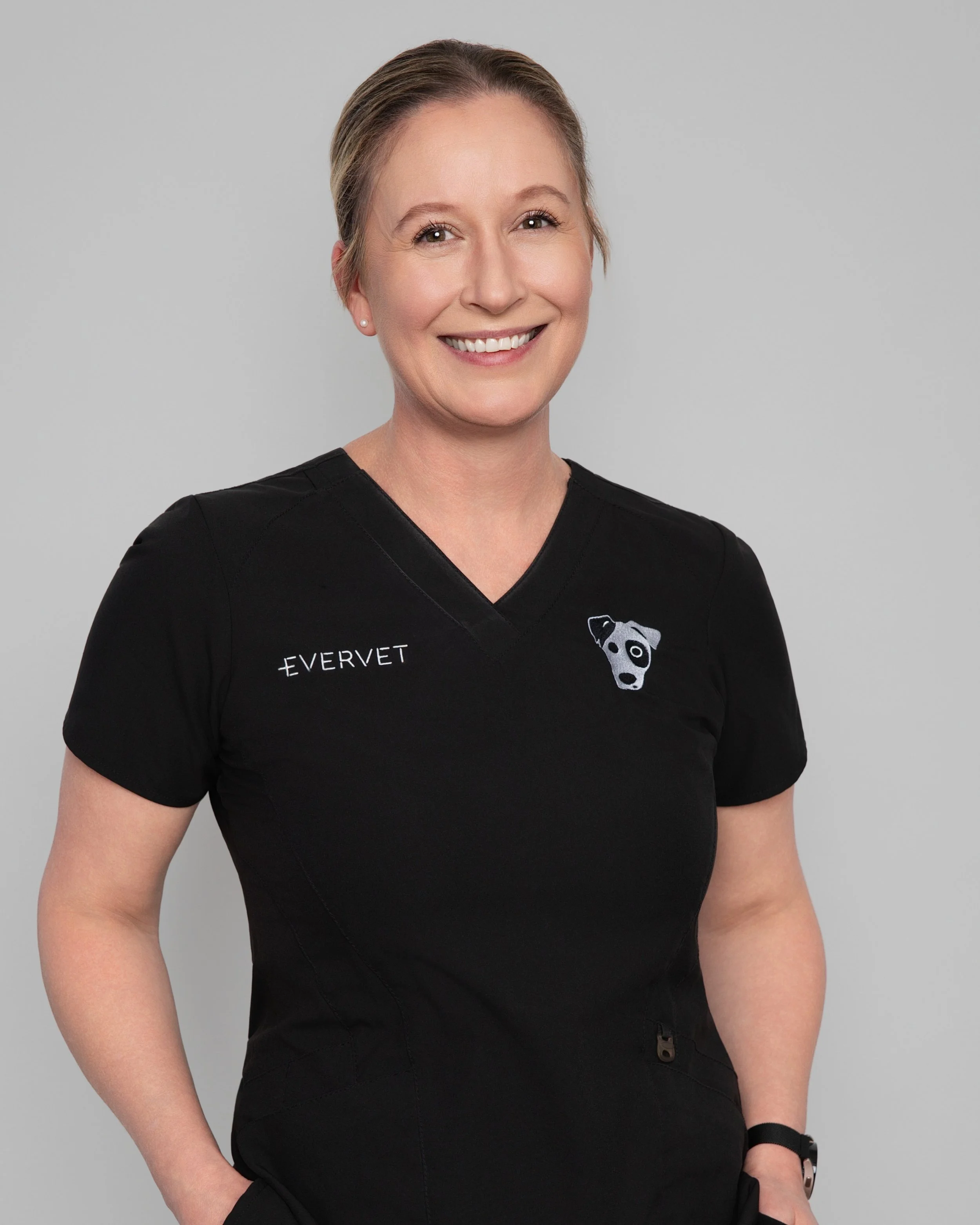
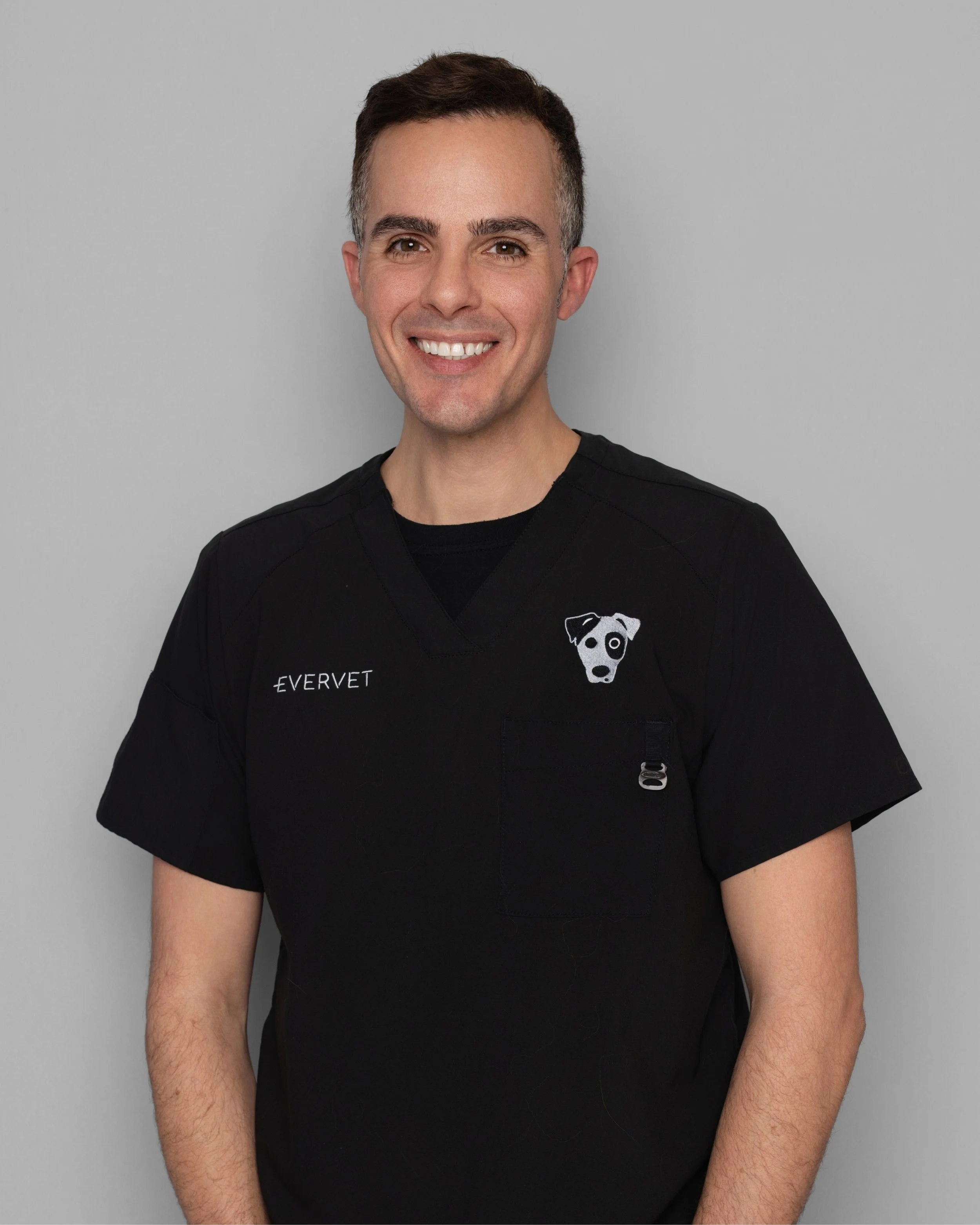
The people your pet relies on
For many of our patients, the nurse is one of the first people they meet when they arrive and one of the last people caring for them before they go home.
On any given day, our nurses may be:
admitting a patient for surgery
collecting and processing samples for pathology testing
assisting with radiographs and ultrasound
preparing patients for surgical procedures
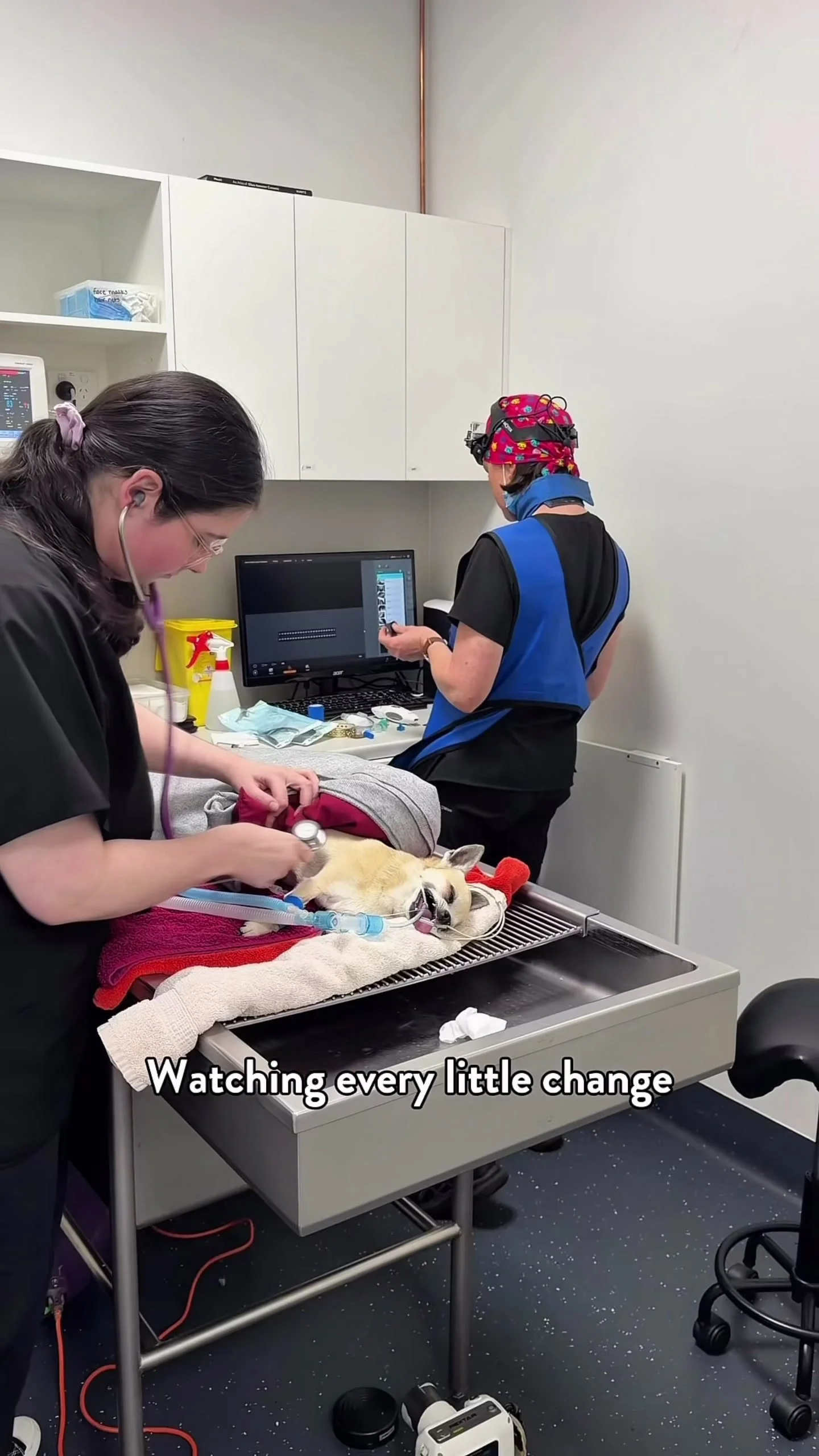
monitoring anaesthesia
assisting with surgery and dentistry
administering medications and treatments
caring for hospitalised patients
assessing pain and comfort
supporting recovery after anaesthesia
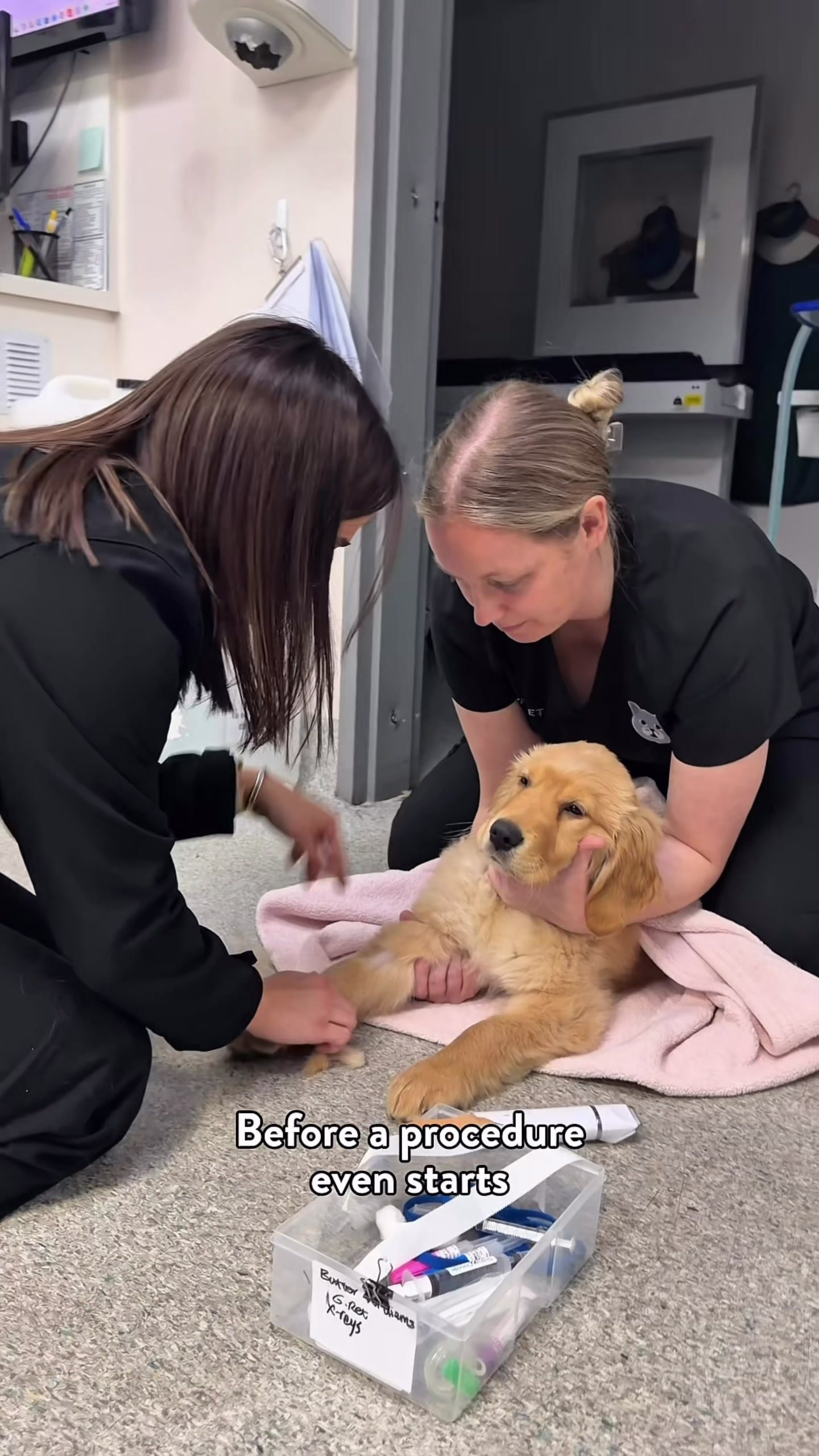
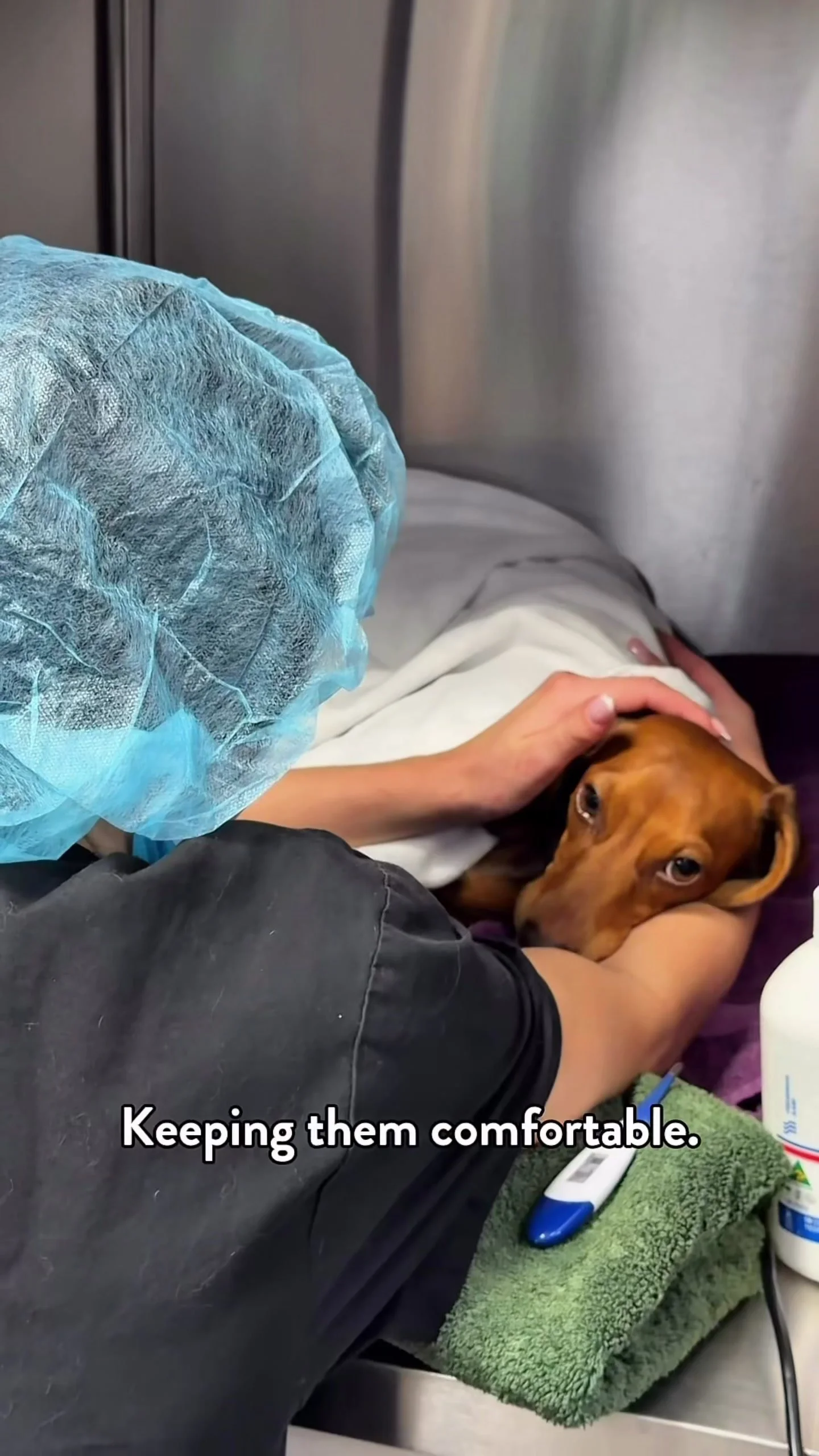
helping frightened or anxious animals feel safer
explaining home care and recovery to families.
The list is long because and the role is critical to everything care entails.
Patient safety depends on them
Anaesthesia is one of the clearest examples.
Monitoring equipment gives us information, but it takes an experienced and skilled operator to notice important trends, then recognise and respond when something is changing.
Our nurses monitor patients throughout anaesthesia and recovery, watching circulation, breathing, oxygenation, temperature, pain and depth of anaesthesia while also anticipating the needs of the surgical team.
The VNCA specifically highlights anaesthesia monitoring, surgical preparation and constant vigilance as central parts of the veterinary nursing role. VNCA
The same attention continues after the procedure is complete.
Patients need warmth, pain assessment, airway monitoring, reassurance and close observation as they wake up. Recovery is part of the active clinical care our hospital nurses provide.
An eye for detail
Some of the most important work nurses do is subtle.
A vet nurse is skilled in identifying the behavioural clues that might tell us a patient is becoming cold or too warm, that their pain relief needs reassessing, or that withdrawing or becoming hyperactive may signal other important patient needs.
These small observations matter.
Veterinary nurses often have the most time spent close to our patients. They get to know how they look, move and respond, and they are often the first people to notice when something changes.
They bring comfort when pets don’t understand
Veterinary care can be confusing, frightening and stressful for pets.
Nurses are critical to making those visits less scary.
That may mean using food rewards, fear-free handling techniques, taking extra time, or simply the animal sense and touch that helps a nervous patient settle.
The technical and emotional sides of nursing are closely connected. A patient who feels safer is often easier to examine and treat, and their recovery can be calmer too.
Vet nurses care for pet families too
Veterinary nursing is also about people.
Nurses are knowledgable: answering questions during admission, knowing and explaining what happens after a procedure, and teaching families how to confidently help care for their pets when they’re home.
They are also often among the first people to provide emotional support and reassurance during the difficult parts of veterinary care.
For many families, those conversations are as important as the clinical work happening behind the treatment-room doors.
A vet clinic only works because they do
Veterinary hospitals can be busy and complicated places.
Pet families can be understandably anxious or processing difficult emotions. Patients are on the move between consult rooms, treatment areas, imaging, surgery, dentistry, wards and recovery areas. Samples need to be processed, medications prepared, equipment checked, records updated, and critical information passed between multiple teams of people.
Nurses are the glue that holds much of that workflow together.
VN&T Awareness Week is designed to shine a light on the vital role vet nurses and technicians play in keeping busy veterinary workplaces functioning.
As a pet’s family member, you may not always see that work, but you experience the benefits of it at every visit to an Evervet practice.
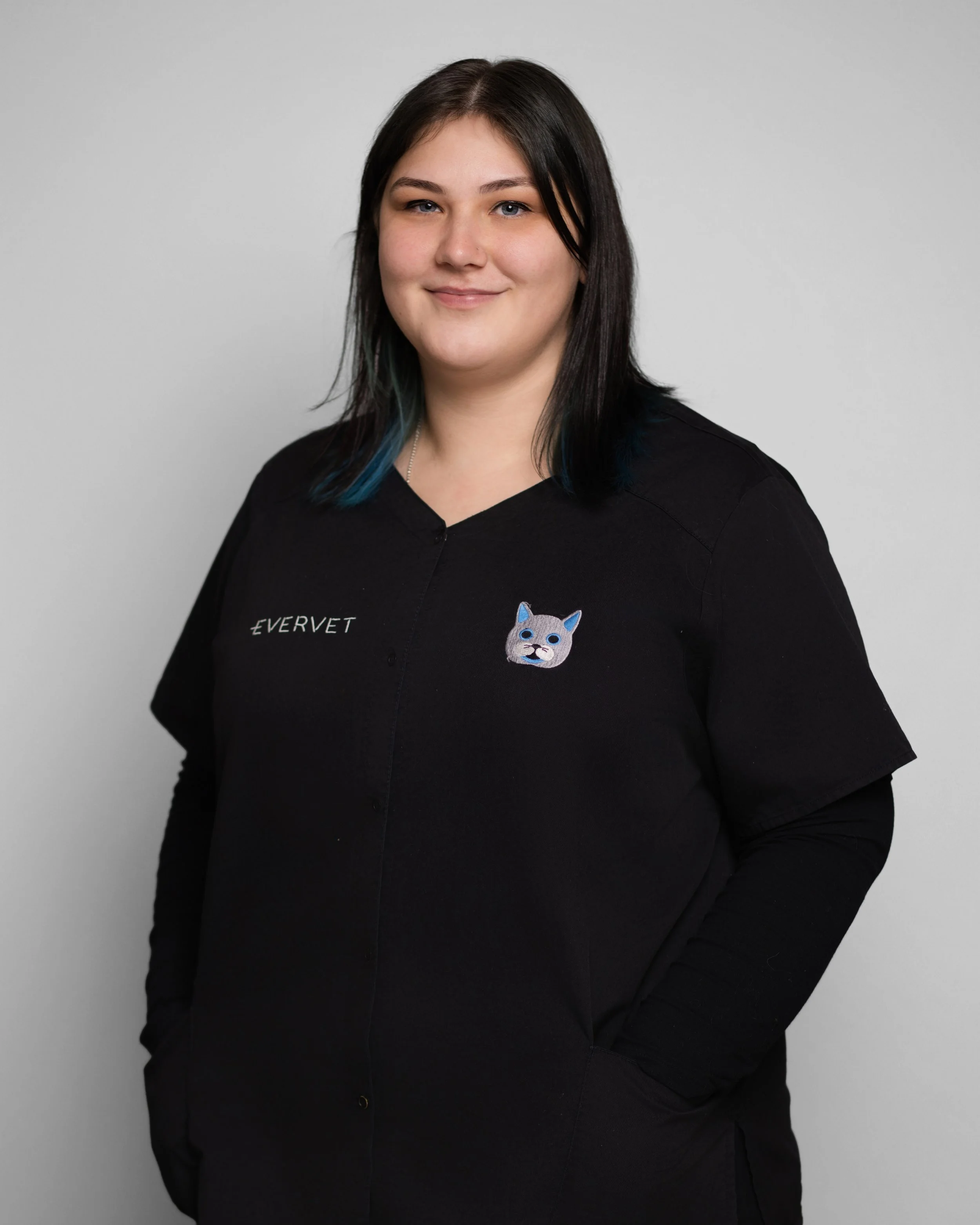
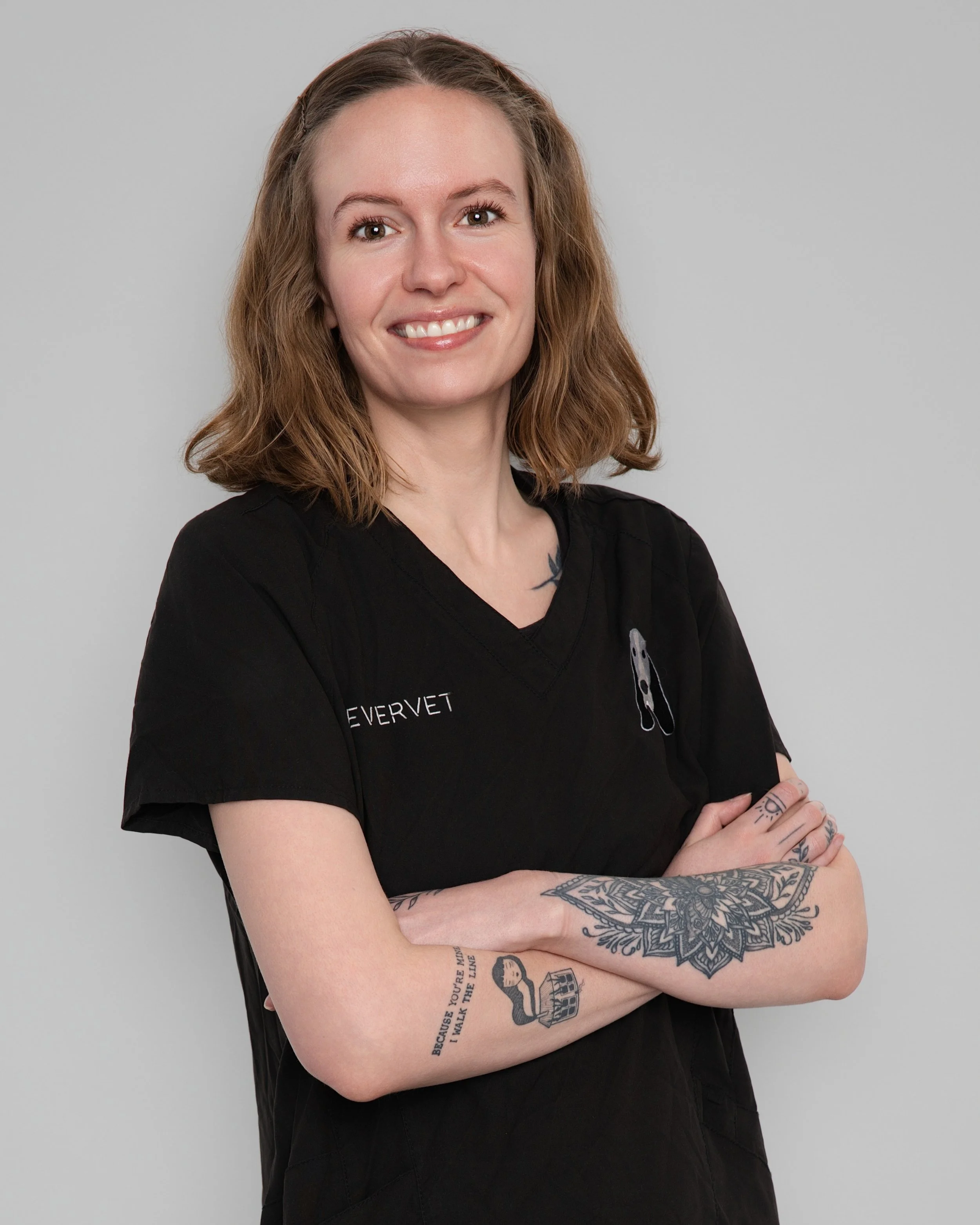
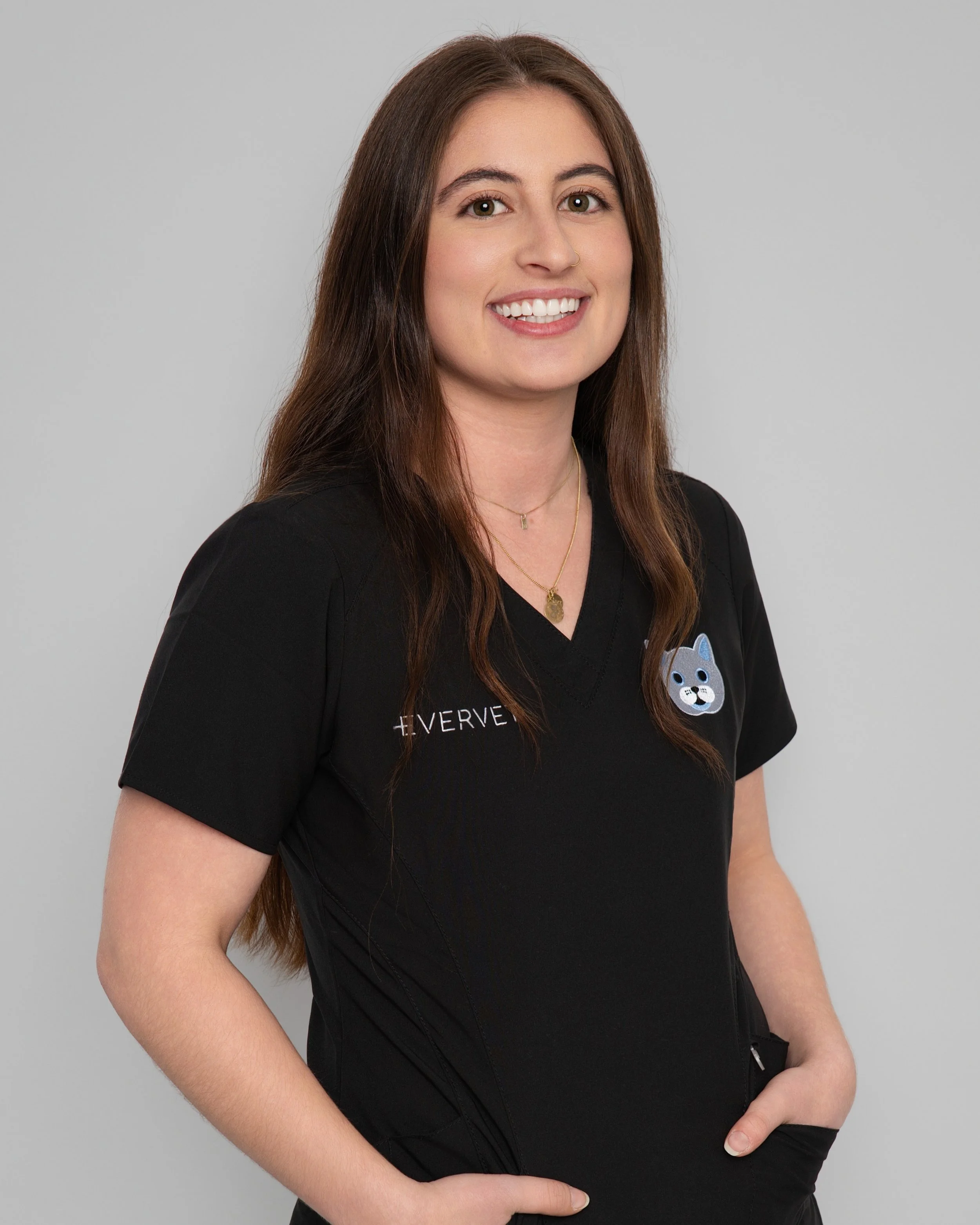
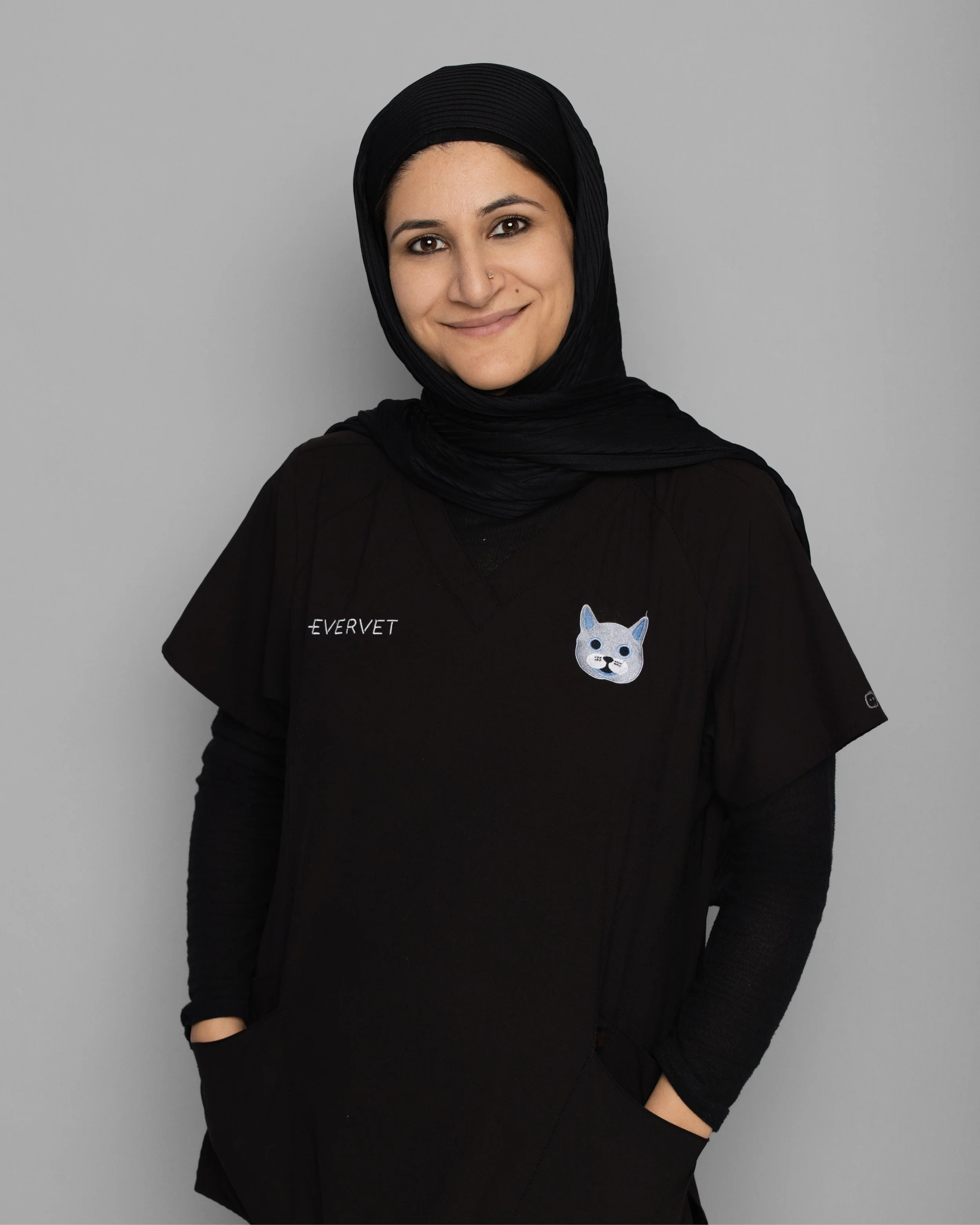

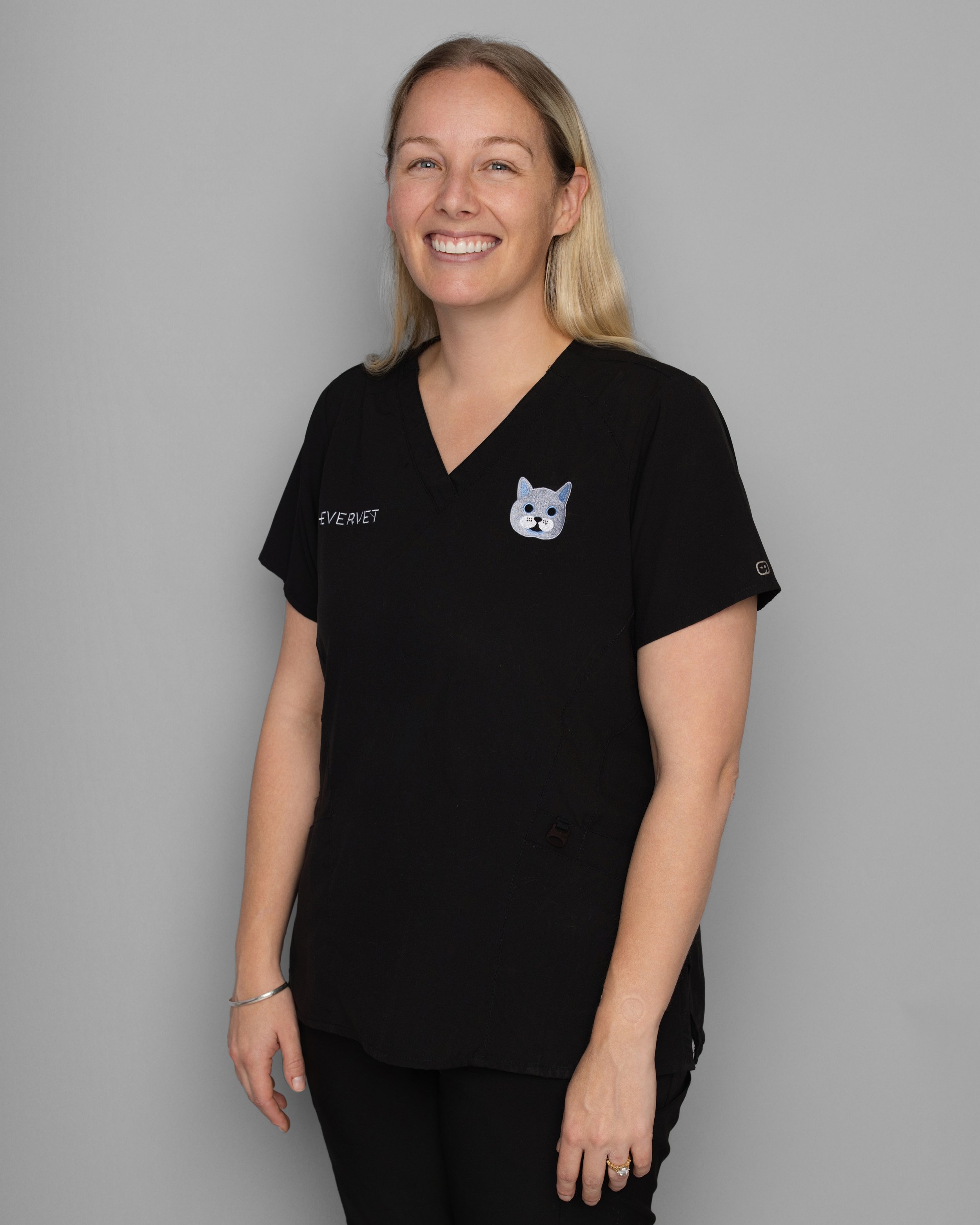
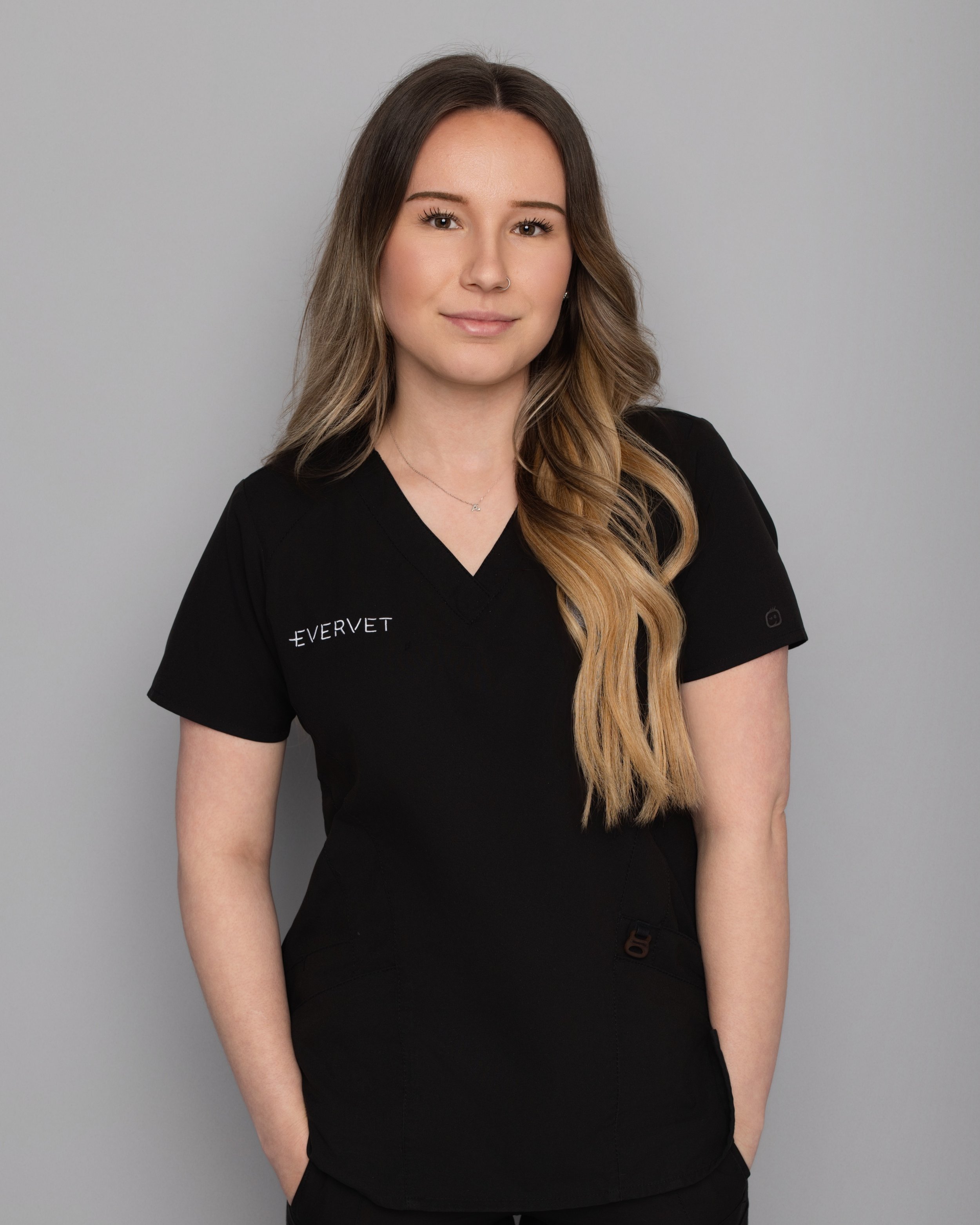



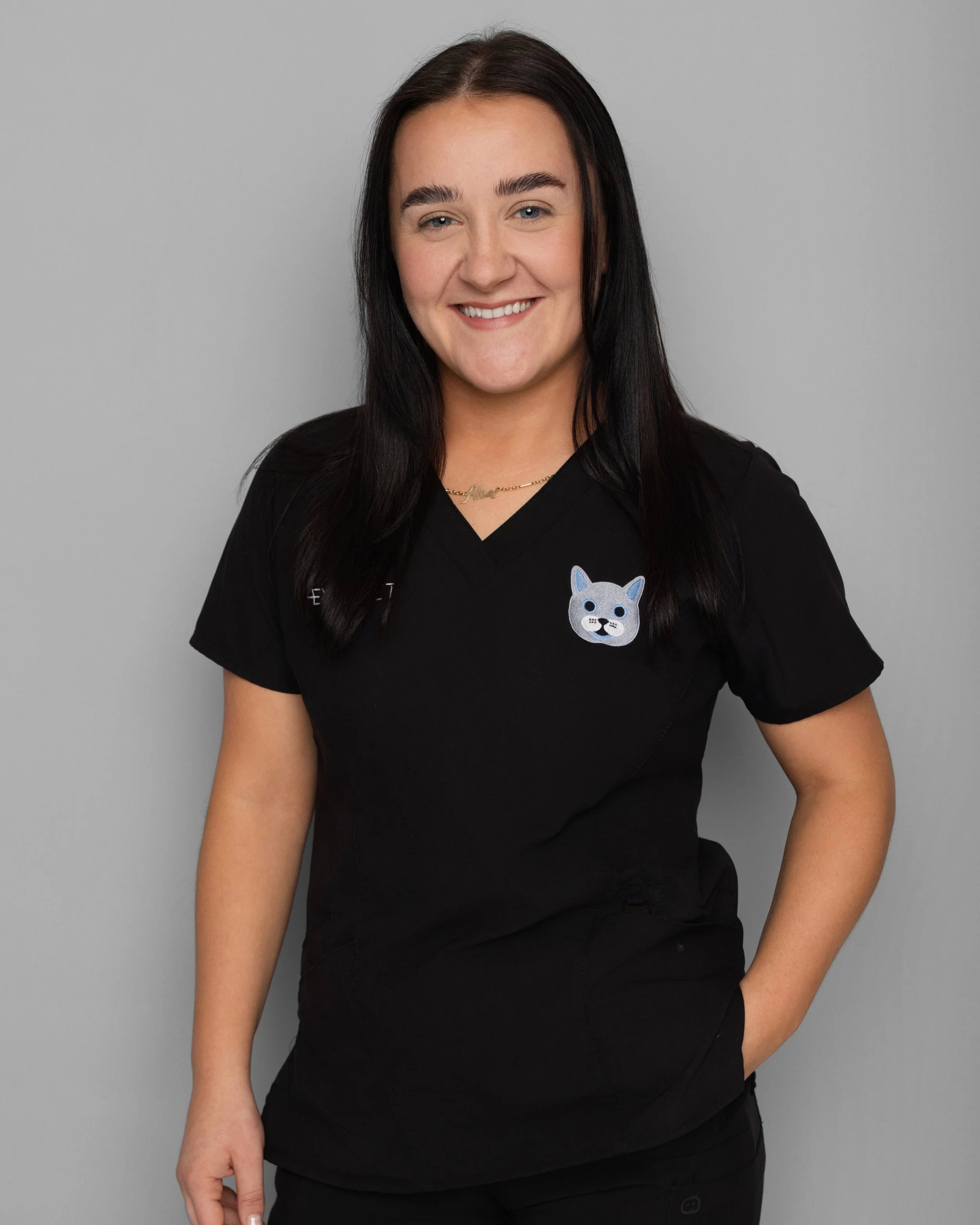
To our Evervet nursing team
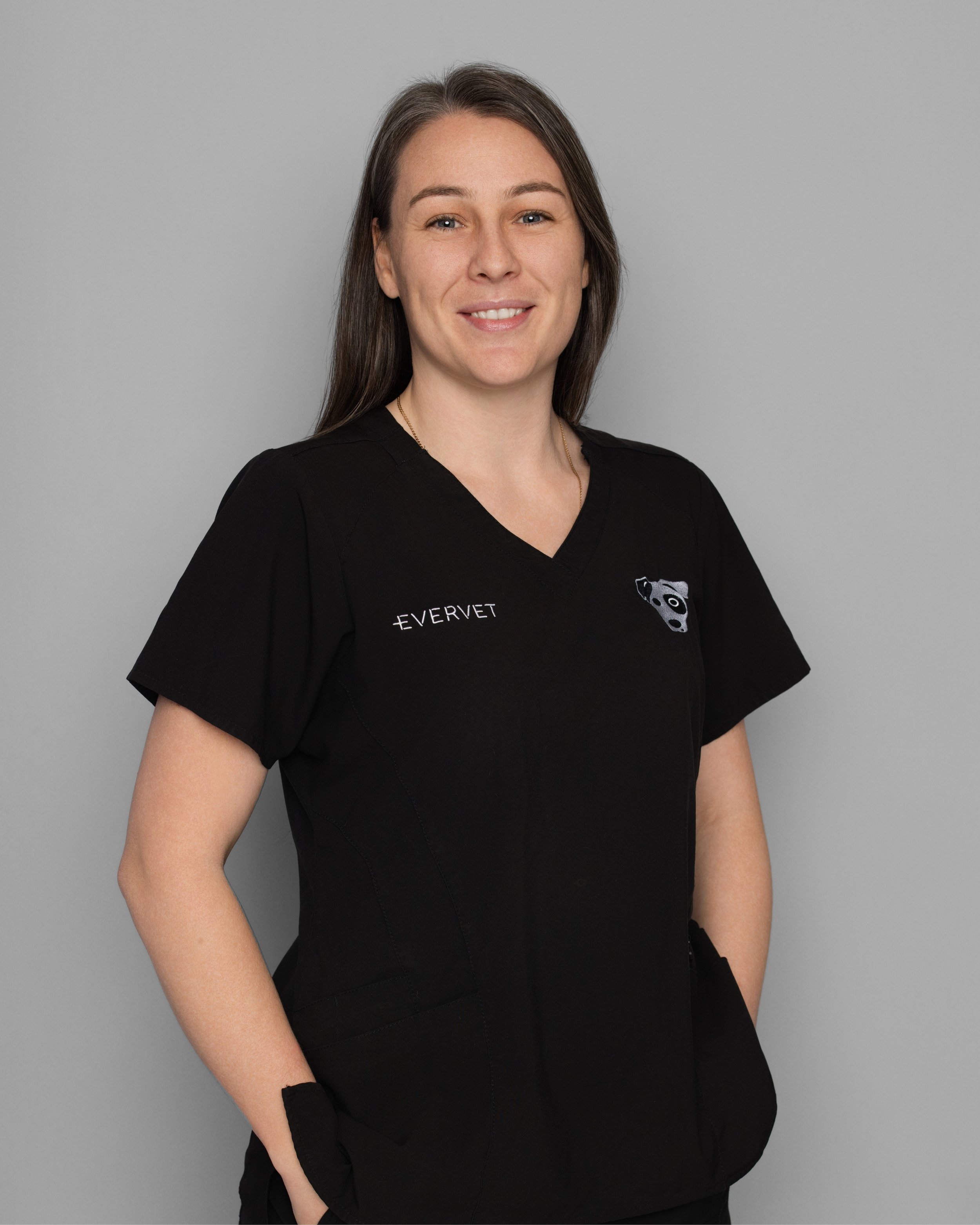
To the nurses and technicians across all Evervet locations: thank you.
Thank you for the meticulous anaesthetic monitoring, collecting the impossible pathology samples, the gentle patient recoveries, the dental procedures, the frightened cats, braving the sad conversations, never complaining about the late finishes or the messy jobs, and the thousands of seemingly small but clever decisions you make to keep our patients safe.
Thank you for supporting our vets and the pet families who are grateful they can put their trust in your care.
It starts with a nurse.
And much of what makes good veterinary care possible continues with one.
Meet the teams behind your pet’s care at Evervet Prahran, South Yarra, East Melbourne and Hawthorn