
My dog is ‘slowing down’. Old age, or something else?
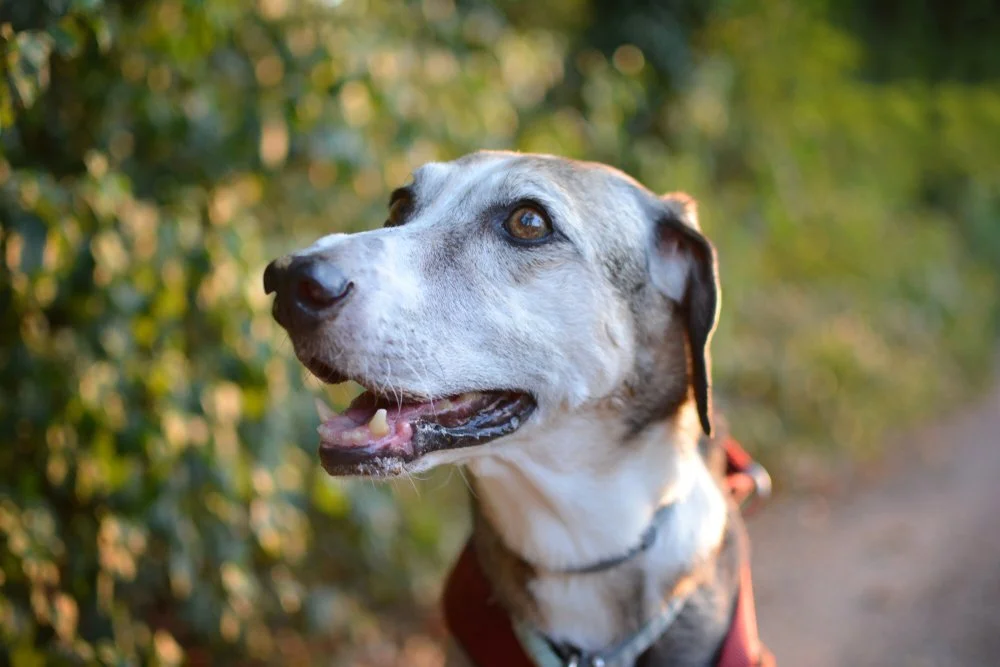
Coming into the winter months, ‘slowing down’ is something a lot of people report when talking about their senior dog.
While your ageing pup may still have a wagging tail and be keen to go on a walk, they might end up dragging behind, making more stops than before or even developing a slight limp. Some people notice a longer pause or needing a few goes before jumping onto the couch, or maybe we’re not chasing the ball with the same enthusiasm as normal. All of this leads us to the question: are these just signs my dog is getting older, or is there something else going on?
Much as we wish it weren’t the case, our dogs age much faster than us. For a little cavoodle, twelve years old is equivalent to about 65 years old in a human, while in a bigger dog like a Labrador, twelve is closer to 80 years old! There is, of course, a normal decline in mobility with age; there is a reason we don’t see seniors’ AFL! However, a lot of the time in our four-legged friends, this decline is both accelerated and worsened by osteoarthritis.
Osteoarthritis (OA) is a degenerative condition of joints, where chronic joint inflammation causes a cycle of cartilage breakdown, scar tissue formation inside joints, and bony growths. In some dogs, it is caused by trauma or previous injury (e.g. a dog that has had a cruciate ligament rupture will develop OA in that knee, even when surgery is performed to repair the ligament). OA can also happen in dogs with no prior history of joint issues, as it happens with wear and tear over a lifetime.'
Dogs often don’t ‘show pain’ in ways we would expect. They can be very stoic, still eating well and wagging their tails despite being in chronic pain. They very rarely vocalise (yelp, whine) when in pain. As their carers and the people who know them best, it is up to us to look for the more subtle signs of pain. Your vet can help figure out where and why they are painful, but you are best placed to notice subtle changes in the first instance.
Signs of osteoarthritis
Limping, or favouring one leg
Looking slow or stiff especially when getting up in the morning or after a nap
Reluctance or inability to jump into the car or onto the couch
Lagging behind on walks, stopping more
Becoming less tolerant of grooming, being patted, or rough play
How your vet investigates osteoarthritis
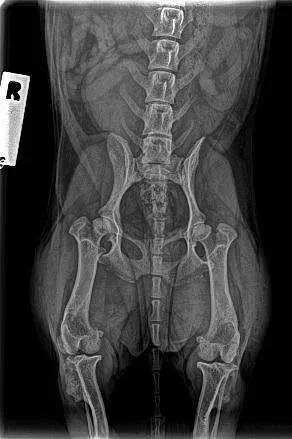
If your dog is showing signs of slowing down, your vet will usually start with a thorough history and physical examination. This often includes watching your dog walk, checking for stiffness, muscle loss, reduced range of motion, and gently examining joints for pain or swelling.
In many cases, X-rays may be recommended to look for arthritic changes or to rule out other causes of pain such as ligament injuries, bone or spinal disease. Blood tests can also be useful, particularly in older pets, to assess overall health before starting any medications.
Because arthritis develops gradually, the changes can sometimes be subtle at first. Early diagnosis can make a big difference to comfort, mobility and long-term quality of life.
Make sure to tune in to our next instalment, discussing treatment options and preventative measures you can take to help support your dog’s joints.