
When is it too hot to walk the dog?
Melbourne's weather is notoriously changeable. An overcast morning can turn into a hot afternoon, and even a mild but sunny spring day can create surprisingly challenging conditions for some dogs.
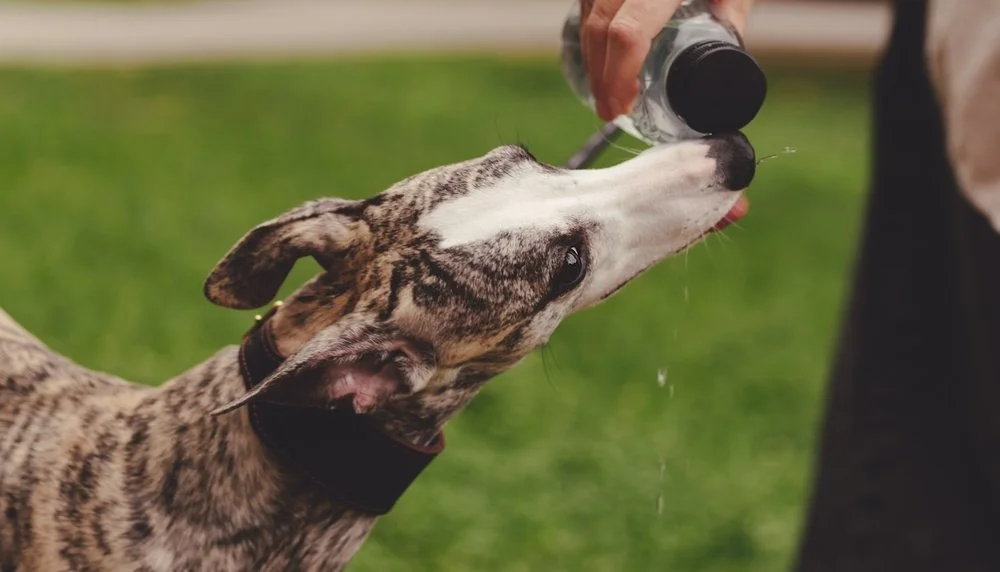
This unpredictability matters because dogs can become overheated during exercise much more quickly than many of us realise. What begins as heavy panting and fatigue can progress to heat-related illness and, in severe cases, heatstroke - a potentially life-threatening emergency with catastrophic effects on the brain, circulation, kidneys, liver and circulatory systems.
Many families with dogs are aware of the risk but find it difficult to judge when conditions become unsafe. We often get asked: when is it actually too hot to go for a walk?
You might have seen advice suggesting that dogs shouldn't be walked above a particular temperature. While these rules are easy to remember, the reality is a little more complicated.
The risk of overheating depends on more than the number on the weather forecast. Your dog's breed, age, fitness, body condition and health all matter, as do humidity, direct sunlight, the surfaces you're walking on and how strenuous the activity is.
We’ll look at each of those factors to help you make a safer decision.
Is there a temperature that's too hot for dogs?
There isn't a single temperature that is safe for every dog.
A healthy, fit dog walking slowly in the shade may tolerate conditions that would be uncomfortable or potentially dangerous for an older, overweight or flat-faced (brachycephalic) dog.
Humidity makes a difference too.
Dogs rely heavily on panting to thermoregulate. When the air is humid, evaporation becomes less effective, making it harder for them to lose heat.
Direct sunlight and exercise also increase the amount of heat a dog needs to dissipate.
Even on relatively mild days, vigorous exercise can cause a dog's body temperature to rise significantly.
An Australian study published in 2025 found that overall mortality in dogs increased as daily maximum temperatures rose above 25°C.
That doesn't mean every dog becomes unsafe to walk at 25°C. It does, however, reinforce the importance of taking warm weather seriously.
Our advice is to consider the whole situation rather than relying on a temperature alone.
Which dogs are most at risk of overheating?
Any dog can develop heat-related illness, but some are particularly vulnerable.
Flat-faced breeds
Brachycephalic breeds such as French bulldogs, English bulldogs and pugs have anatomical features that can make breathing and temperature regulation more difficult.
Because panting is so important for cooling, dogs with compromised upper airways are at greater risk.
These breeds may struggle in conditions that other dogs tolerate reasonably well. This means that even temperatures below 25°C may still pose a significant risk.
Older dogs and puppies
Older dogs may have reduced exercise tolerance or underlying health conditions that make it harder to cope with heat.
Young puppies are also less capable of regulating their body temperature, often aren’t as attuned to their physical needs when exercising in warmer weather, and may become exhausted more quickly.
Overweight dogs
Carrying excess body weight increases the physical effort required for exercise and can make it harder to lose heat.
thick-coated breeds
Dogs bred to live in cooler climates can find Melbourne’s hot weather particularly hard to tolerate.
Dogs with heart or respiratory disease
Dogs with conditions affecting their heart, lungs or airways may have less capacity to tolerate exercise and heat.
For these pets, it's worth discussing appropriate activity levels with your veterinarian.
How can I tell if the pavement is too hot?
Hot footpaths are a separate problem from overheating.
Concrete, asphalt and sand can become considerably hotter than the surrounding air, particularly when exposed to direct sunlight.
This creates a risk of painful burns to your dog's paw pads.
A commonly recommended practical check is to place the back of your hand against the pavement for approximately five seconds.
If you cannot comfortably keep it there, the surface is too hot for your dog's paws.
However, this is only a rough guide to surface temperature.
Passing the hand test doesn't mean the air temperature, humidity or exercise conditions are safe.
Remember that surfaces may still remain hot after the air begins cooling in the evening.
Is it better to walk my dog early in the morning or at night?
Generally, yes.
On warm days, early mornings and cooler evenings are usually the best times for outdoor exercise.
Early mornings have an additional advantage: footpaths and roads have had time to cool overnight.
When planning a walk, consider:
Choosing shaded routes where possible.
Avoiding hot asphalt, concrete and sand.
Keeping walks shorter and less strenuous.
Carrying drinking water and a portable bowl.
Allowing regular opportunities to rest.
Avoiding vigorous activities like ball chasing or running in warm conditions.
If your dog is particularly vulnerable to heat, even a short walk may be inappropriate on some days.
And if the weather remains hot and humid overnight, waiting until evening may not make conditions sufficiently safe.
How do I know if my dog is getting too hot?
Recognising early signs of heat stress is important.
A dog that's becoming overheated may show:
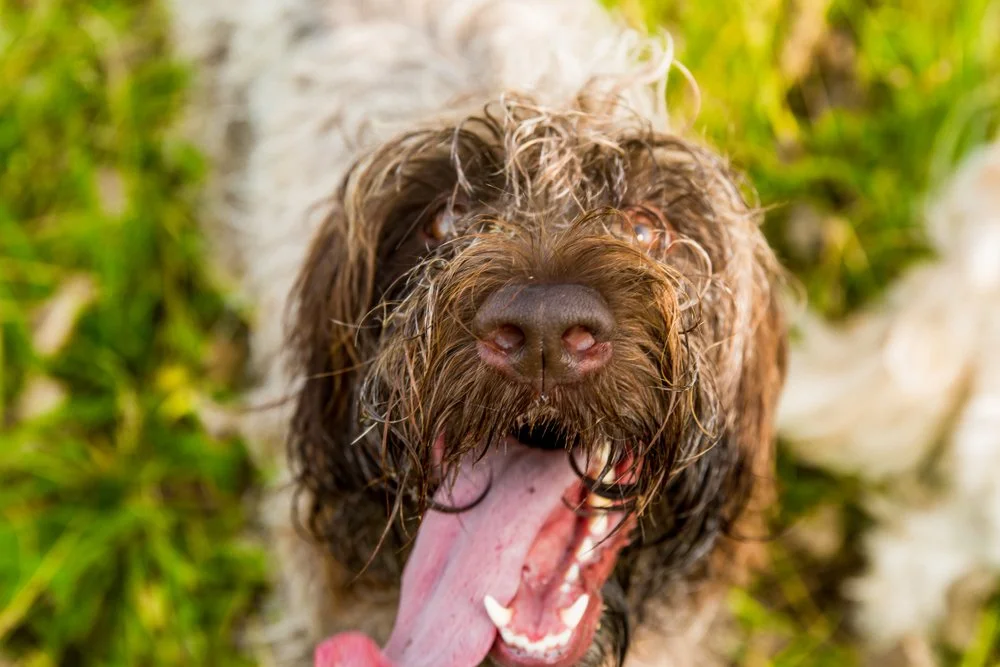
Excessive or unusually intense panting.
Increased drooling.
Enlargement and curling of the tongue.
Reluctance to continue walking.
Seeking shade or repeatedly stopping.
Restlessness or difficulty settling.
Weakness or an unsteady gait.
These signs should prompt you to stop exercising immediately and move your dog somewhere cooler.
More serious signs include collapse, confusion, seizures, vomiting, diarrhoea or difficulty breathing.
These can indicate significant heat-related illness and require urgent veterinary attention.
Never wait for your dog to collapse before seeking veterinary assistance.
What should I do if I think my dog has heatstroke?
Heatstroke is a veterinary emergency.
If you suspect your dog is suffering from significant heat-related illness:
Move them somewhere cooler immediately.
Get them out of direct sunlight and into a shaded, well-ventilated or air-conditioned environment.
Begin cooling with water.
Apply cool running water over the body, particularly the trunk and abdomen, ensuring the water reaches the skin.
Air movement from a fan can also help.
Don't rely on simply wetting the paws, and avoid wrapping your dog in wet towels that remain in place.
Contact a veterinarian urgently.
Begin cooling immediately, then arrange transport to veterinary care. If someone else is available, ask them to call the clinic while you start cooling.
A dog with suspected heatstroke needs veterinary assessment even if they appear to improve.
Heat-related illness can cause internal complications that aren't immediately obvious.
At Evervet, we provide veterinary care until 11 pm on weekdays at our Prahran hospital. Outside our opening hours, seek assistance from an emergency veterinary hospital.
What if my dog needs exercise but it's too hot outside?
Missing an occasional walk is unlikely to cause problems for most healthy dogs.
On particularly hot days, it's generally safer to replace outdoor exercise with activities that provide mental stimulation.
You could try hiding treats around the house, using food puzzles, practising short training exercises or encouraging your dog to search for a favourite toy.
For many dogs, activities involving sniffing, problem-solving and learning can be surprisingly satisfying.
You can also divide activities into several short sessions rather than trying to replace an entire walk with one long period of play.
Choose activities appropriate to your dog's age, health and mobility, and make sure the indoor environment is comfortably cool.
Should I skip my dog's walk altogether?
Sometimes, yes.
We often think of daily walks as something dogs must have regardless of the weather.
But the purpose of exercise is to support their physical and emotional wellbeing.
If conditions are likely to cause discomfort or put your dog at risk, staying home is a perfectly reasonable decision.
For some dogs, particularly those with respiratory disease or poor heat tolerance, avoiding outdoor exercise on warm days is an important part of keeping them healthy.
The bottom line
There isn't a magic number that tells us when it's safe to walk every dog.
Consider the temperature, humidity, sunshine, surface conditions and your dog's individual needs.
When conditions are warm, choose cooler times of day, reduce the intensity of exercise and watch carefully for signs of discomfort.
And when you're uncertain, it's perfectly fine to skip the walk and find something enjoyable to do indoors instead.
Worried about your dog's heat tolerance?
If your dog struggles with exercise, becomes unusually breathless or seems less able to cope with warm weather, we'd encourage you to discuss it with your veterinarian.
Our teams at Evervet Prahran, South Yarra, East Melbourne and Hawthorn can assess your dog's health and help you develop an appropriate exercise plan.