
“Mum! The dog vomited…” When should you worry?
“Mum! The dog vomited…”
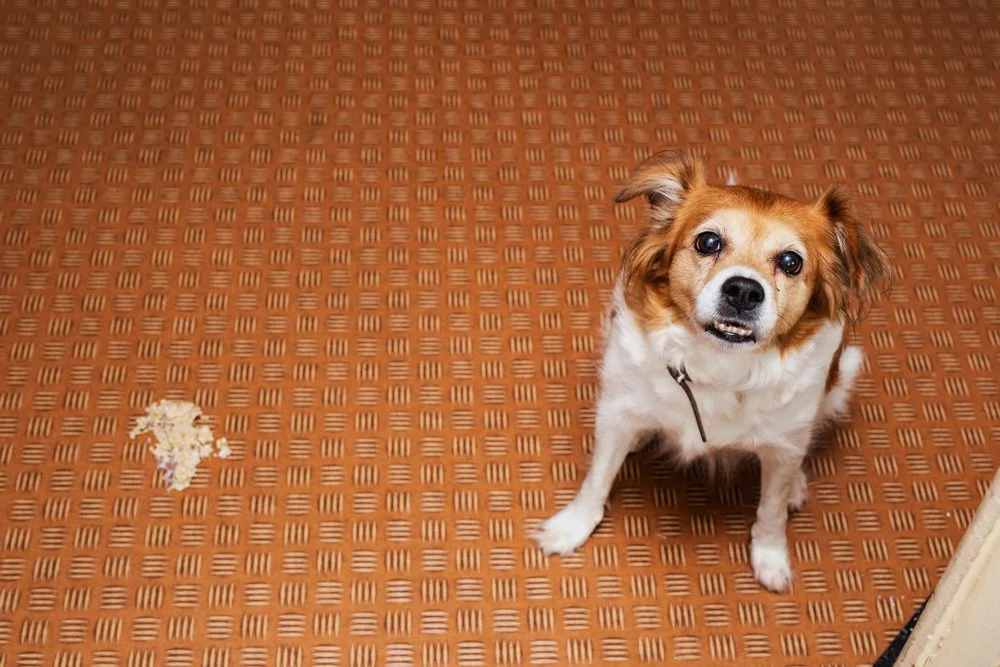
They're now looking at you as though absolutely nothing happened - wondering whether a second breakfast is on offer.
So, do you need to worry?
Not necessarily.
Vomiting is one of those symptoms where what else is happening is often more important than the vomiting itself.
A dog who vomits once and then carries on with their day is very different from a dog who keeps vomiting, won't eat, seems uncomfortable or isn't quite themselves.
Here's how we think about it.
One vomit, otherwise completely normal?
If your adult dog has vomited once but is otherwise bright, comfortable and behaving normally, it's often reasonable to keep a close eye on them.
Are they:
bright and responsive?
comfortable?
interested in what's happening around them?
able to drink without vomiting again?
free from diarrhoea or other new symptoms?
If the answer is yes to all of these questions, monitoring them closely may be all that's needed at this stage. Regardless it’s always a good idea to call Evervet if you’d like expert advice.
When does vomiting become more concerning?
We'd recommend getting in touch straightaway if the vomiting keeps happening or your dog is showing other signs that they're unwell.
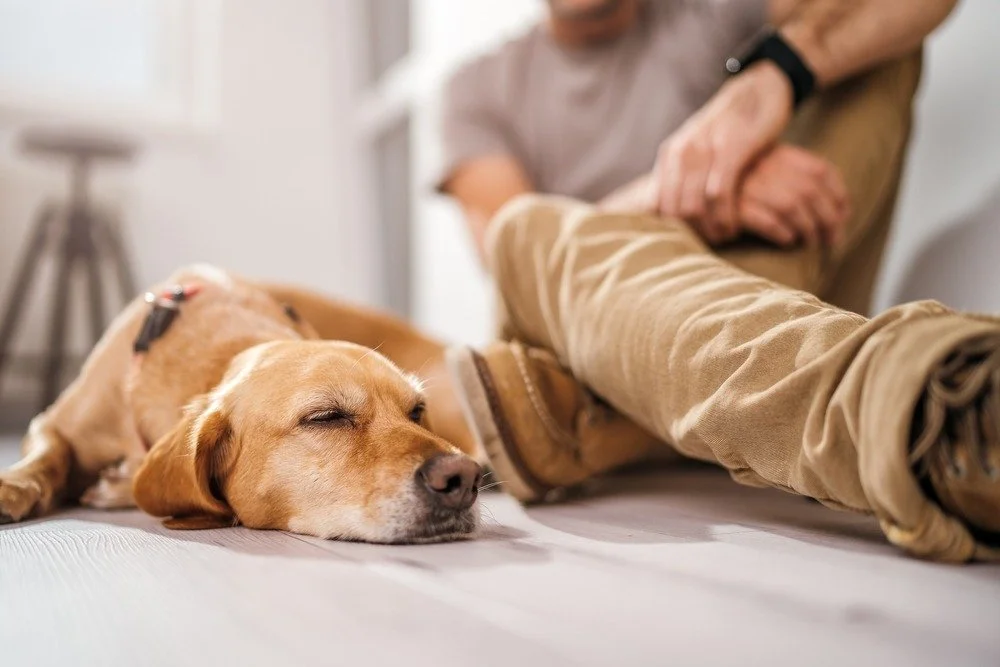
In particular, we need to hear from you if your dog:
vomits repeatedly
can't keep water down
becomes quiet, weak or unusually lethargic
seems painful or uncomfortable
develops a swollen or tense abdomen
has blood in their vomit
develops significant or bloody diarrhoea
stops eating
appears dehydrated
collapses or deteriorates quickly.
The combination of symptoms matters.
One vomit in a dog who immediately wants to go for a walk is one thing.
Repeated vomiting in a dog who's curled up, refusing food and doesn't want to move is another.
What about puppies and older dogs?
Our threshold for recommending an examination is generally lower at either end of the age spectrum.
A puppy can become dehydrated quickly, and vomiting may accompany some significant infectious and gastrointestinal diseases that can rapidly become more serious.
Similarly, vomiting in an older dog may be associated with problems beyond the gastrointestinal tract, particularly if there are other changes such as reduced appetite, weight loss, increased drinking, lethargy or altered behaviour.
If your dog already has a significant medical condition, we'd also generally recommend contacting us sooner rather than later.
Could something be stuck?
It's one of the possibilities we always consider when a vomiting dog comes through our clinic doors.
An intestinal obstruction doesn't always announce itself dramatically. Vomiting may be accompanied by reduced appetite, lethargy, abdominal discomfort or diarrhoea, and the signs can vary depending on where an obstruction is located and whether it is partial or complete.
If your dog is vomiting and you know they're the sort of dog who eats socks, toys, corn cobs, bones or other things they shouldn't, tell us.
That history may change what we recommend doing next.
What will the vet do?
We'll start by asking what's been happening, how often they've vomited, what the vomit looked like, whether they're eating and drinking, whether they have diarrhoea, and whether anything else about their behaviour has changed. If you can, it helps to think about these questions before your visit.
Then we'll perform a physical examination.
For a bright dog with a short history of mild vomiting and a reassuring examination, we may recommend some simple supportive treatments and monitoring.
If something doesn't fit that picture, we may suggest investigating further.
Depending on what we find, that could include blood tests, X-rays or an abdominal ultrasound.
These aren't automatically necessary for every vomiting dog. They're tools we use when your dog's history or examination gives us a reason to look further.
So when should I call?
Vomiting that continues - or vomiting accompanied by pain, lethargy, loss of appetite, an inability to keep water down, blood or a general sense that your dog simply isn't right - deserves more attention.
And if you're looking at your dog thinking:
“I don't know if this is serious enough to see a vet…”
Call us.
You don't need to diagnose the problem before you contact Evervet. Helping pet families work out what needs to happen next is why we do what we do.
Evervet has clinics in Prahran, South Yarra, East Melbourne and Hawthorn. If your dog becomes unwell later in the day, our Prahran hospital also provides extended-hours care on weekdays.
Your pet. Your family. Always.